
🍎 The Challenge of Delicate Harvests
Imagine the perfect ripe strawberry or a tender tomato. These delicious items are also incredibly fragile, easily bruised or damaged by even slight pressure. This delicate nature makes automated harvesting a huge challenge for traditional robots.
For decades, picking fruits and vegetables has largely remained a manual task, relying on the gentle touch and keen eye of human workers. Rigid robotic grippers, with their unyielding claws, are simply too aggressive for such sensitive produce.
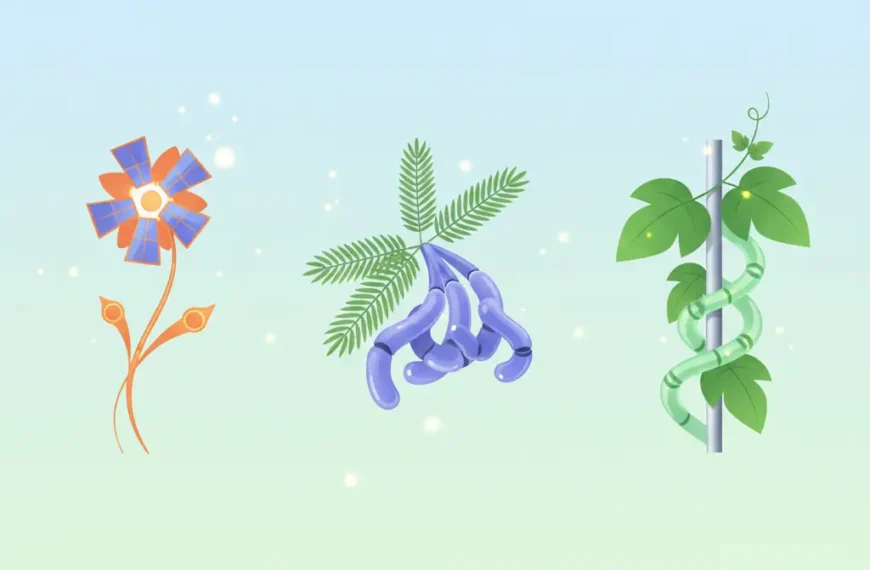
This is where the magic of soft robotic grippers comes into play. Inspired by nature’s own compliant manipulators, these new tools are poised to revolutionize agriculture, ensuring our food reaches us in pristine condition.
—
🖐️ A Gentle Touch: What Makes Soft Grippers Special?
The key difference between a traditional robotic gripper and a soft gripper lies in their materials and design philosophy. Traditional grippers use hard metal or plastic jaws that clamp down with precise force, often needing exact positioning.
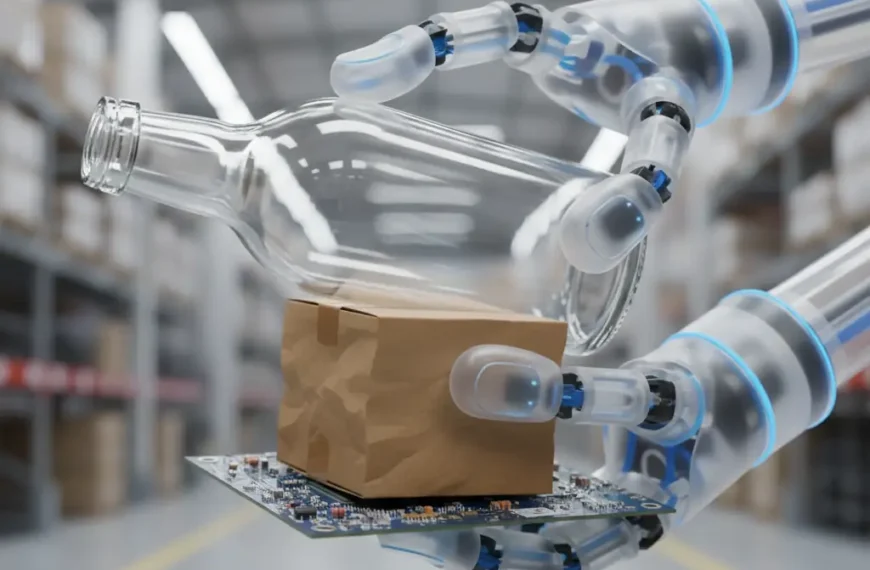
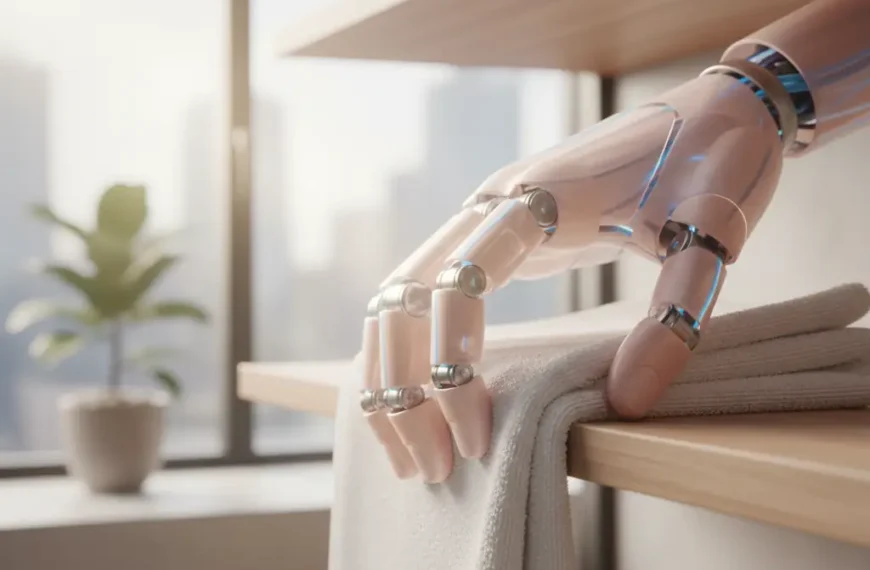
Soft grippers, however, are made from flexible, compliant materials like silicone or rubber. Their ‘fingers’ or ‘jaws’ deform and conform to the shape of the object they are grasping, distributing pressure evenly across the surface.
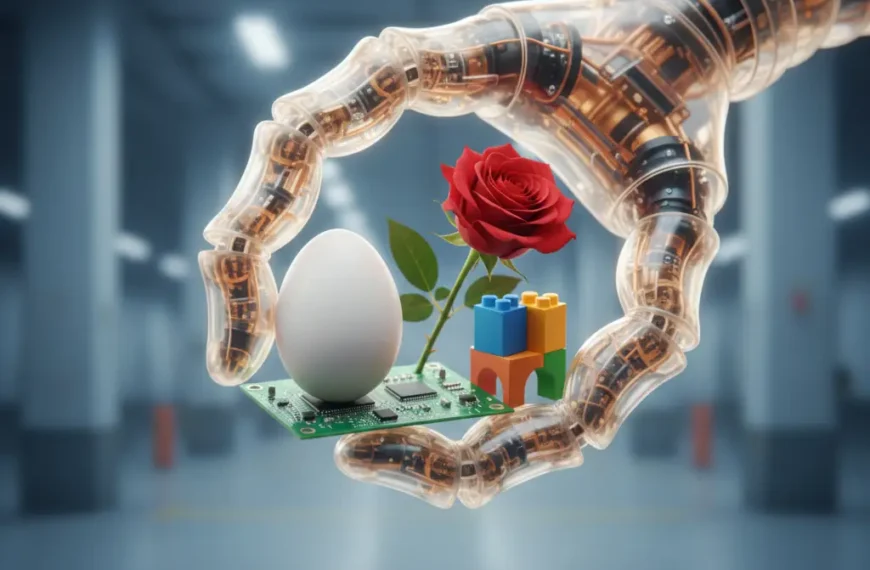
This inherent compliance means they can pick up objects of varying shapes and sizes with a gentle, encompassing hold, dramatically reducing the risk of bruising or damage. It’s like a perfectly cushioned hug for your produce.
How They Work: Mimicking Nature’s Grip
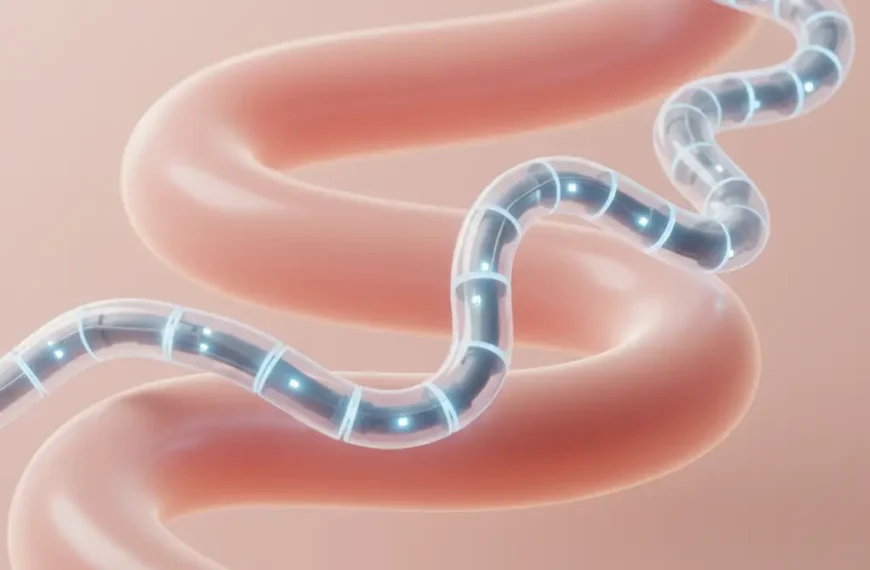
Many soft grippers are pneumatically actuated, meaning they use air pressure to inflate internal chambers, causing them to curl or expand. This mimics the muscular action of an octopus tentacle or an elephant’s trunk.
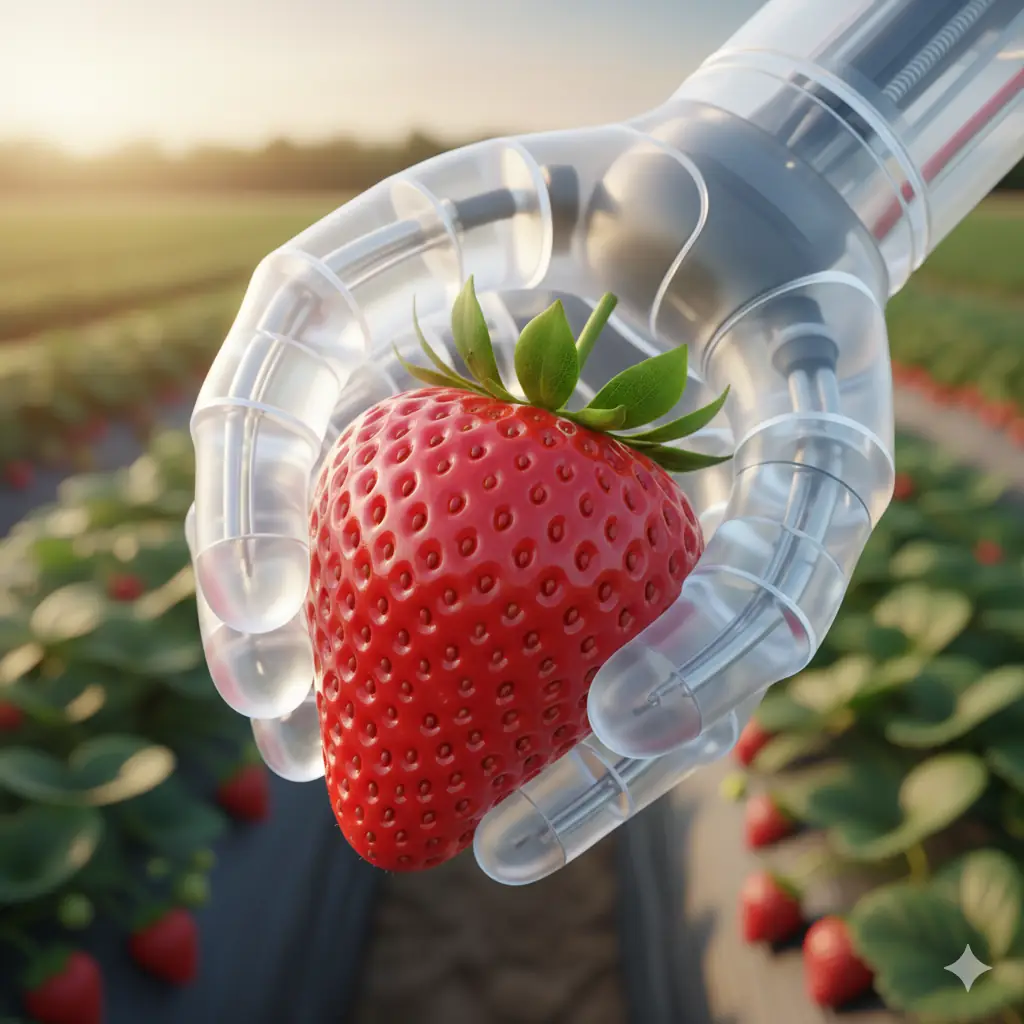
When picking a berry, for instance, the soft fingers would gently inflate around it, wrapping themselves to secure the fruit without squeezing it. The force applied is distributed over a large surface area, preventing concentrated pressure points that cause bruising.
This ’embodied intelligence’ means the robot’s physical structure does much of the work, simplifying complex control needs. The gripper naturally adapts to the fruit’s geometry.
—
🌱 Revolutionizing the Harvest: Real-World Applications
The implications of soft grippers in agriculture are vast, addressing labor shortages, reducing food waste, and improving efficiency across the supply chain.
Picking Fruits and Vegetables
Imagine fields of strawberries, ripe for the picking. A robotic arm equipped with a soft gripper could navigate the foliage, identify a ripe berry using vision systems, and then gently pluck it from the plant without crushing its delicate flesh.
This technology is already being developed for tomatoes, bell peppers, apples, and even mushrooms, significantly speeding up the harvesting process while maintaining the quality of the produce.
Sorting and Packaging
Beyond picking, soft grippers are invaluable in the post-harvest process. Fruits and vegetables need to be sorted, inspected, and packed carefully into containers for transport. This is another area where a gentle touch is critical.
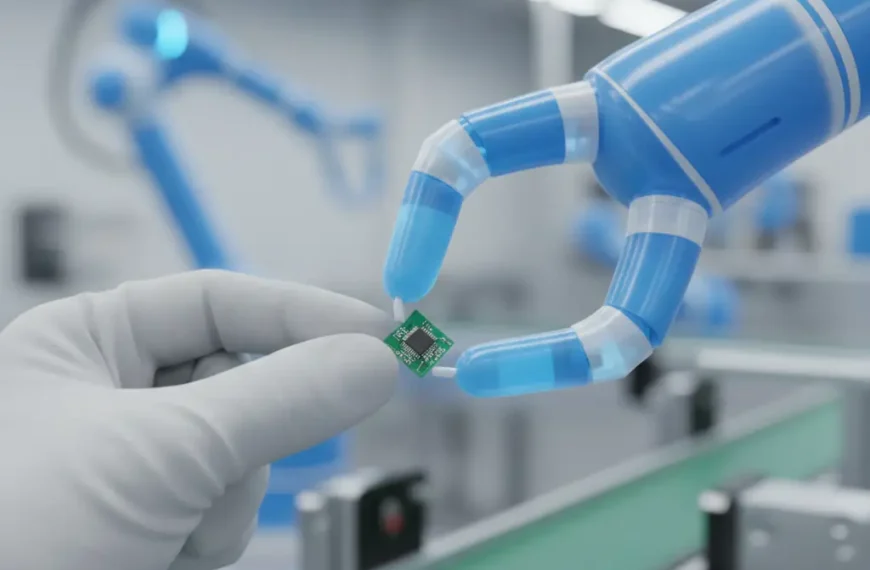
Soft grippers can move items along a conveyor belt, remove damaged produce, and precisely place perfect items into packaging, all without causing new blemishes. This ensures more high-quality produce reaches the consumer.
—
📉 The Impact on Food Waste and Labor
Food waste is a global issue, with significant amounts of produce lost due to damage during harvesting and handling. Soft grippers offer a direct solution to this problem, preserving more of the crop.
By minimizing bruising and other physical damage, more edible food makes it to market, reducing economic losses for farmers and helping to feed a growing population. It’s a win-win for everyone involved.
Furthermore, many agricultural regions face severe labor shortages, particularly for demanding harvesting tasks. Soft robotic grippers can augment human labor, taking on the repetitive tasks and freeing up workers for more complex roles.
—
📝 Notes on Integration and Future Outlook
While extremely promising, integrating soft grippers into large-scale agricultural operations still presents challenges. These include developing robust vision systems to identify ripe produce in varied lighting conditions, and creating autonomous mobile platforms that can navigate diverse terrain.
As these technologies mature, we can expect to see increasingly sophisticated soft robotic systems working tirelessly in our fields and packing houses, ensuring our food supply is handled with the utmost care.
The future of agriculture is looking not just automated, but also remarkably gentle, thanks to these innovative soft grippers. They truly bring a ‘human touch’ to robotic harvesting.
 By
By