
💊 The Precision Problem in Medicine
When you take a pill, the medication travels throughout your entire body, affecting both diseased and healthy cells. This ‘shotgun approach’ can lead to side effects and means only a fraction of the drug reaches its intended target, especially for conditions like cancer.
Imagine if we could deliver medicine directly to a tumor, a blocked artery, or an inflamed joint, with pinpoint accuracy. This is the promise of targeted drug delivery, a concept being revolutionized by the incredible capabilities of soft robotics.
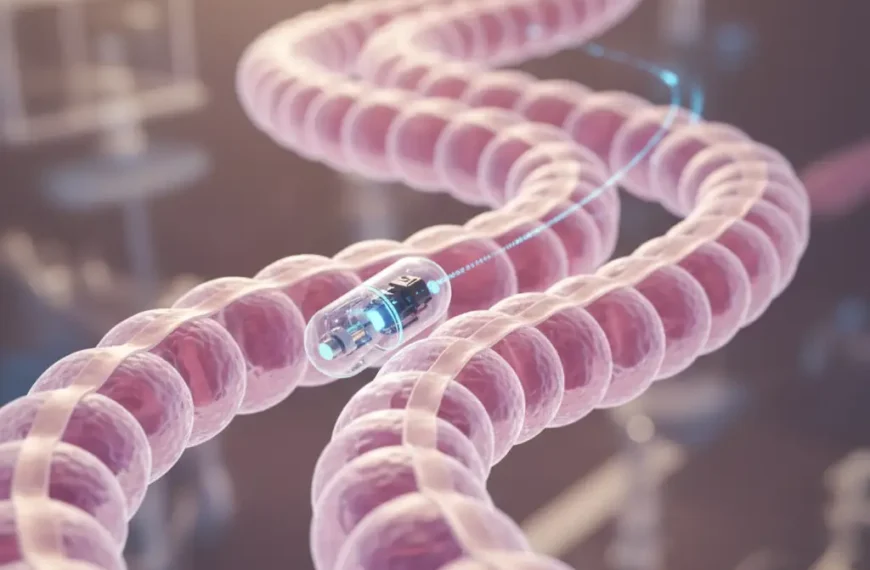
By creating tiny, steerable robots that can navigate the intricate pathways of the human body, we are moving towards treatments that are far more effective and significantly less invasive.
—
🔬 Microrobots: Tiny Navigators with a Big Mission
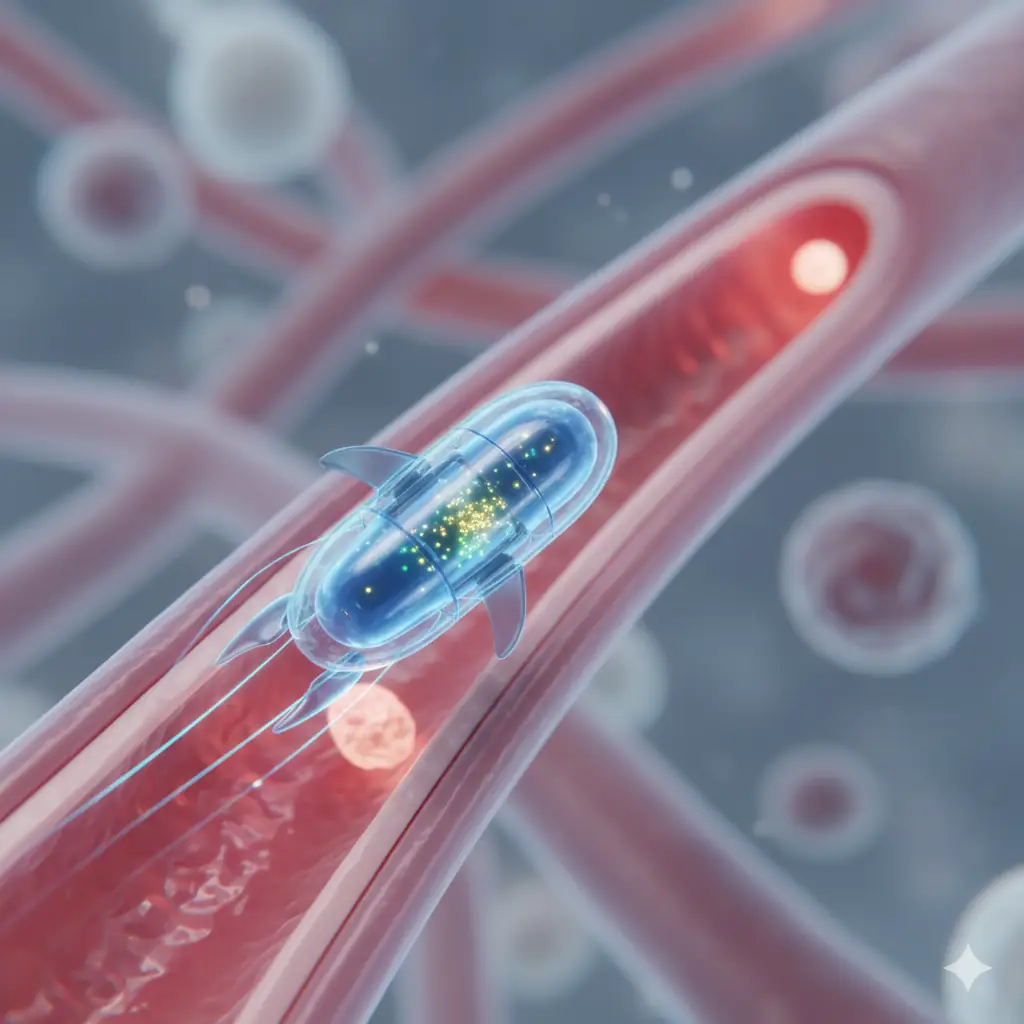
Soft robots designed for drug delivery are often referred to as microrobots due to their minuscule size. These are not the rigid, mechanical robots you might imagine; they are flexible, often biocompatible, and designed to move through fluids.
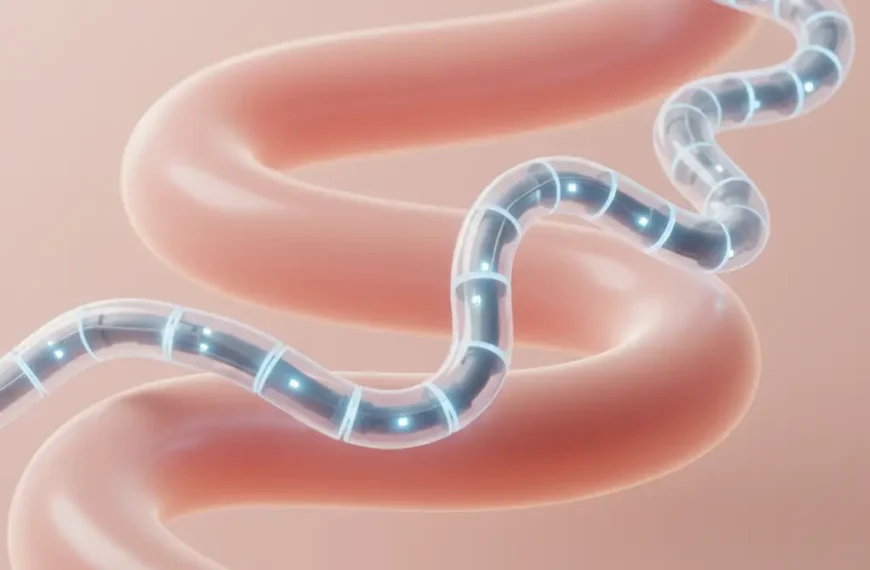
Their softness is paramount. Unlike stiff objects that could damage delicate tissues or get stuck in narrow capillaries, these robots can flex, squeeze, and gently navigate the body’s complex internal landscape.
The goal is to deliver a therapeutic payload (the drug) precisely where it’s needed, maximizing its impact while minimizing systemic side effects. This offers hope for conditions that are currently hard to treat.
Overcoming the Human Body’s Obstacles
The human body is a challenging environment for any robot. It’s filled with flowing blood, tight constrictions, and a highly active immune system. Microrobots must contend with these factors.
Their soft, compliant bodies allow them to:
- Navigate Tortuous Paths: Squeeze through capillaries narrower than a human hair without causing damage.
- Avoid Immune Response: Their biocompatible materials and small size can help evade detection by the body’s defenses.
- Resist Flow: Utilize innovative propulsion mechanisms to move against blood flow or through viscous fluids.
—
🌊 How Do They Move? Actuation at the Micro-Scale
Since traditional motors are too big for these tiny robots, soft microrobots rely on clever, external fields or internal smart materials for their propulsion.
Magnetic Fields: Steering with Precision
One common method involves embedding tiny magnetic particles within the soft robot. External magnetic fields can then be precisely controlled to ‘push’ or ‘pull’ the robot through the body, guiding it to the target site.
Imagine a doctor using a joystick to steer a tiny magnetic soft robot through a patient’s bloodstream towards a tumor. This allows for real-time, non-invasive control, with the robot mimicking a microscopic submarine.
Biochemical Actuation: Nature’s Fuel
Some cutting-edge microrobots are designed to be powered by biochemical reactions. For instance, they might contain enzymes that react with glucose in the blood, generating tiny bubbles that propel them forward.
This allows for truly autonomous movement within the body, without needing external power sources. It’s an elegant way to leverage the body’s natural chemistry for propulsion.
Light or Heat-Responsive Materials
Other designs use smart polymers that change shape or stiffness when exposed to specific wavelengths of light or changes in temperature. An external laser, for example, could be used to ‘activate’ movement or drug release at the target site.
—
🎯 The Delivery Mechanism: Releasing the Payload
Once a soft microrobot reaches its target, it needs a way to release the drug. This is often achieved through clever design of the robot’s structure and materials.
Controlled Release Strategies
- Degradable Capsules: The drug might be encased in a biocompatible polymer that slowly dissolves at the target site or breaks down in response to specific chemical triggers (like pH levels in a tumor).
- Openable Compartments: The soft robot could be designed with small, ‘openable’ compartments that release their payload when exposed to an external signal (e.g., magnetic field, light, or ultrasound).
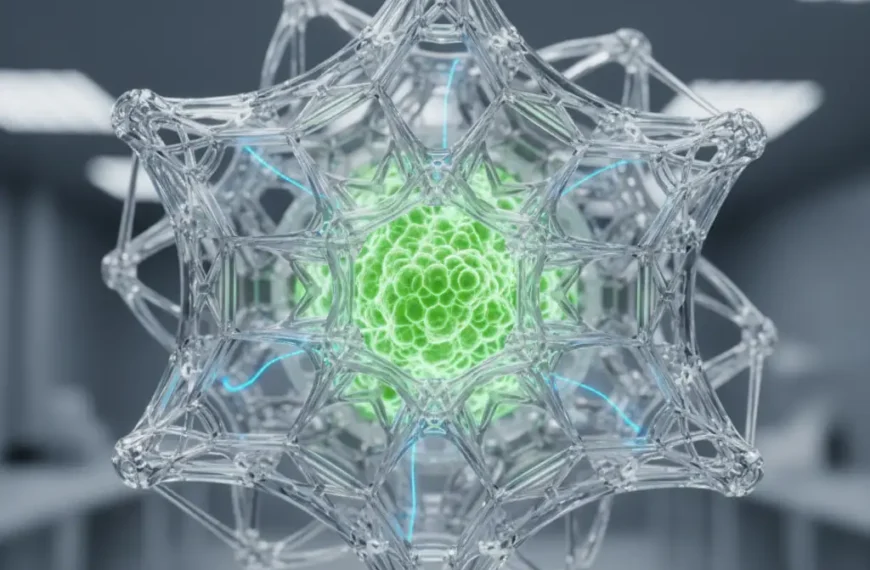
- Porous Structures: The robot itself might be a porous sponge-like structure infused with the drug, which diffuses out over time or is squeezed out upon reaching the target.
This controlled release ensures that the drug is deployed efficiently and precisely where it can do the most good, without affecting surrounding healthy tissues.
—
🌟 The Future is Focused: Impact on Medical Treatment
The implications of soft robotics for drug delivery are profound, promising a new era of highly effective and personalized medicine. This technology holds immense potential for treating some of humanity’s most challenging diseases.
Treating Cancer More Effectively
Imagine chemotherapy drugs delivered directly to tumor cells, minimizing the harsh side effects on the rest of the body. Soft microrobots could make this a reality, leading to higher drug concentrations at the tumor and better outcomes for patients.
Targeting Inflammatory Diseases
For conditions like arthritis or inflammatory bowel disease, soft robots could deliver anti-inflammatory drugs directly to the inflamed tissues, providing localized relief and reducing the need for systemic medication.
Unclogging Arteries
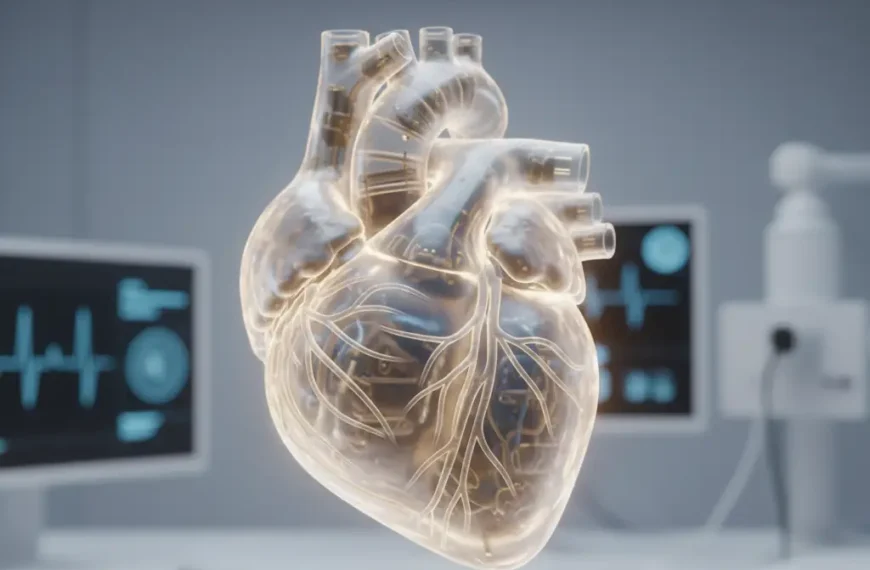
Tiny soft robots could potentially deliver clot-busting drugs directly to arterial blockages, offering a less invasive alternative to surgery and improving recovery for patients with heart conditions.
—
🗺️ Roadmap to Clinical Reality
The journey from laboratory to widespread clinical use involves several critical steps:
- Biocompatibility & Safety: Rigorous testing to ensure materials are non-toxic and do not trigger adverse reactions in the body.
- Precision Control: Developing robust external guidance systems and autonomous navigation algorithms for complex in-vivo environments.
- Imaging & Tracking: Creating reliable methods to track the tiny robots’ location within the body in real-time.
- Scalability & Manufacturing: Developing cost-effective ways to produce these incredibly small, complex devices at scale.
Soft robotics for drug delivery is not science fiction; it is a rapidly advancing field that promises to transform how we treat illness. These tiny, steerable robots represent a monumental leap towards a future of highly precise and compassionate medicine.
 By
By