
🚨 The Challenge of Chaos: Disaster Zones
When disaster strikes—an earthquake, a building collapse, or an industrial accident—the resulting environment is often a chaotic, unstable labyrinth of debris, sharp edges, and unpredictable hazards. This is where human rescuers face immense danger.
Traditional rigid robots, designed for structured environments, struggle here. Their stiff bodies can get stuck, damaged, or simply lack the dexterity to navigate through tight, shifting spaces.
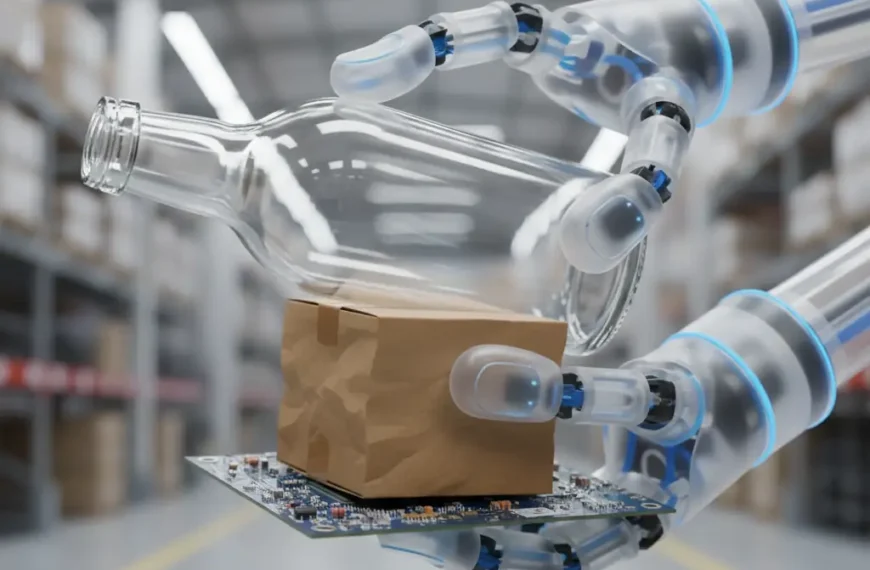
This critical need for adaptability and resilience in chaos is driving the development of soft robots for disaster zone exploration and search and rescue missions.
—
🐍 Inspired by Nature: Squeezing Through Tight Spots
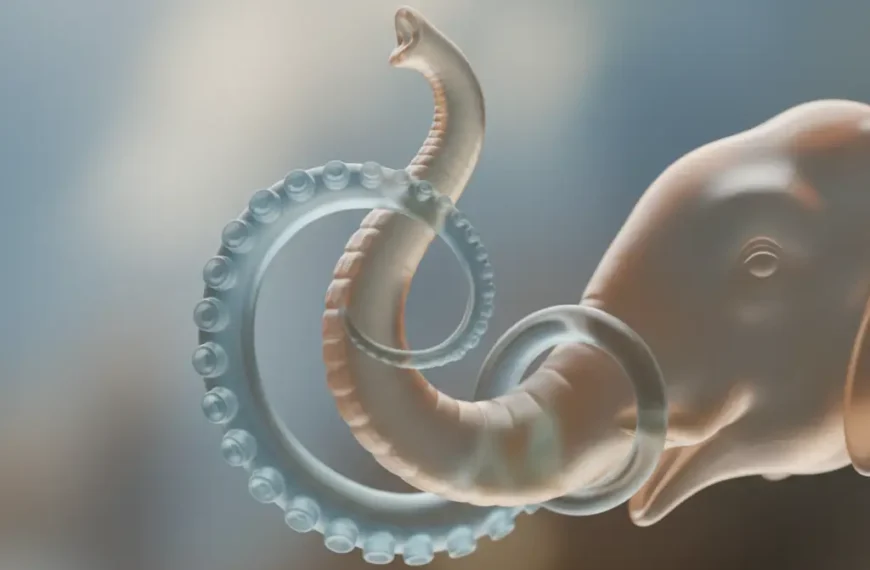
Nature provides perfect role models for navigating complex environments. Think of a snake effortlessly slithering through crevices, or an octopus squeezing its entire body through a small opening. These creatures achieve remarkable dexterity through their compliant, deformable bodies.
Soft robots mimic this biological capability. Constructed from flexible materials like silicone elastomers, they can literally squeeze, deform, and wriggle their way through spaces much smaller than their original dimensions, something impossible for a rigid machine.
This inherent flexibility allows them to bypass obstacles that would trap traditional robots, opening up access to areas where survivors might be isolated.
Movement Through Debris
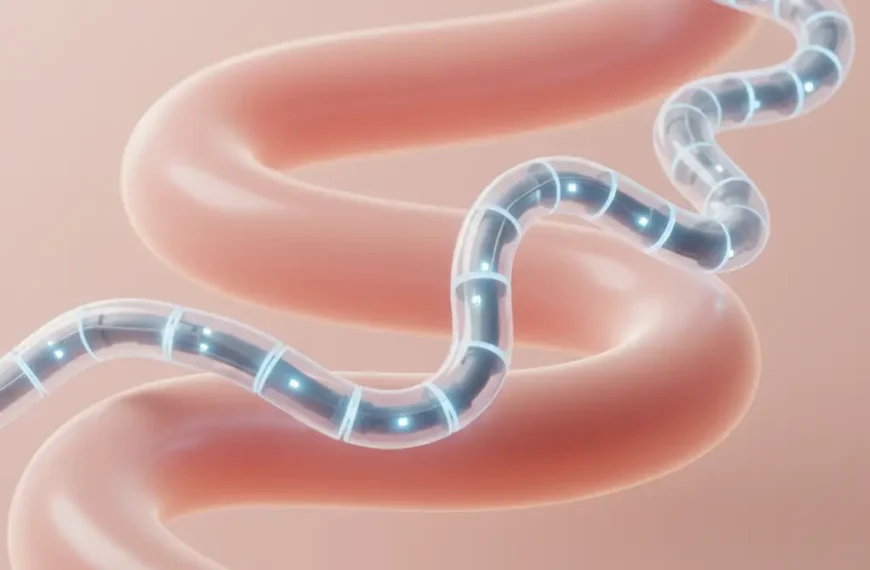
Many soft robots designed for disaster zones use pneumatic (air-powered) actuation. Internal chambers inflate and deflate, causing segments of the robot to expand and contract, generating a peristaltic motion similar to a worm.
This type of movement is ideal for pushing through loose rubble without snagging on sharp edges. If a soft robot encounters a narrow gap, it can deflate, squeeze through, and then re-inflate on the other side, much like an inflatable balloon.
—
💪 Resilience to Damage: Shrugging Off Impacts
Disaster zones are harsh, unpredictable environments where impacts, punctures, and abrasions are inevitable. A rigid robot’s sensitive electronics and precise mechanical joints are highly vulnerable to damage from falling debris or sharp objects.
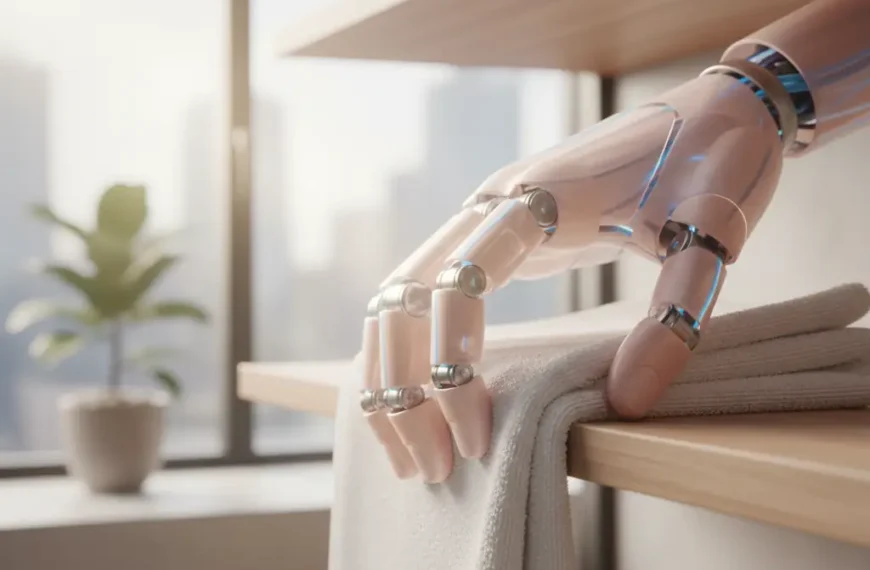
Soft robots, by contrast, possess inherent resilience. Their flexible bodies can absorb impact energy by deforming, rather than breaking. If a soft robot arm is struck, it simply bends and springs back, much like a rubber toy.
Even minor punctures in soft pneumatic channels can often be quickly patched or, in advanced prototypes, even self-healed, ensuring the robot remains operational longer in the field.
A soft robot’s body can passively adapt to unstable ground. Instead of complex algorithms to balance on shifting rubble, its compliant limbs naturally conform to uneven surfaces, improving stability without intensive computation.
—
📡 Sensors and Communication in Chaos
While the body’s compliance handles much of the physical interaction, soft robots for disaster zones still need robust sensory capabilities and communication links to be effective search and rescue tools.
Integrated Soft Sensors
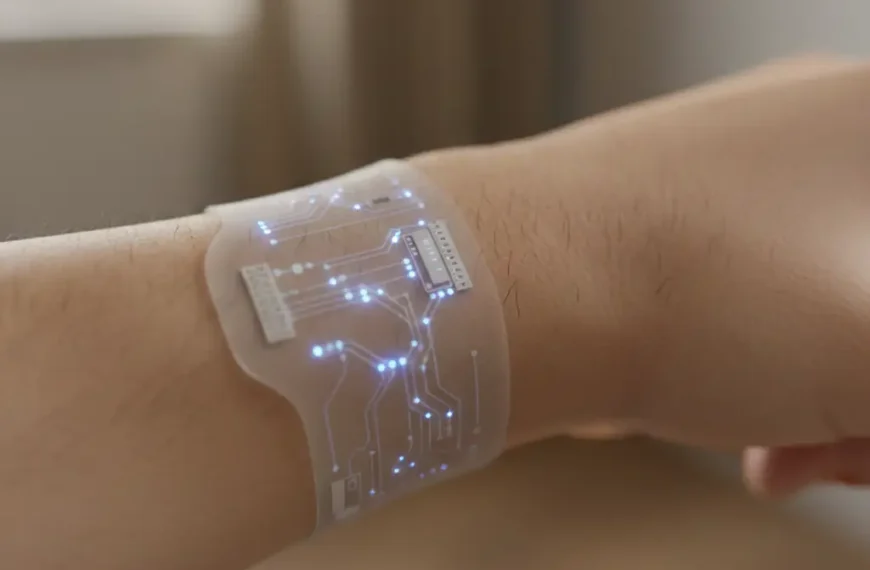
Flexible sensors, often embedded directly into the robot’s soft skin, can detect subtle changes in pressure, temperature, and even the presence of gases. This allows the robot to ‘feel’ its way through dark, dusty environments and detect potential hazards.
For example, a soft robotic worm could feel the pressure of trapped debris, informing rescue teams about the safest path or the location of a cavity. These sensors are far more resilient to damage than rigid counterparts.
Robust Communication
Maintaining a communication link through thick rubble is challenging. Soft robots are often equipped with redundant, low-frequency radio systems that can penetrate dense materials, allowing them to send back crucial video feeds or sensor data to human operators.
—
💡 The Vision: Saving Lives with Flexibility
The development of soft robots for disaster response is a humanitarian endeavor at its core. These machines are not meant to replace human rescuers but to act as their extendable, resilient eyes and hands in situations too dangerous for people.
Search and Rescue Roadmap
- Miniaturization: Creating smaller, more nimble soft robots that can fit into even tighter cracks and crevices.
- Increased Autonomy: Equipping robots with advanced AI to make independent navigation decisions and identify signs of life without constant human control.
- Integrated Tools: Developing soft grippers to carry tiny cameras, gas sensors, or even deliver small medical supplies to trapped survivors.
- Swarm Robotics: Deploying multiple small soft robots simultaneously to cover larger areas and increase the probability of detection.
From finding trapped individuals to assessing structural damage, soft robots offer a beacon of hope in the most desperate circumstances, demonstrating the power of compliant design to overcome extreme challenges.

 By
By