
🤖 A New Class of Robots, A New Set of Questions
Soft robotics is moving machines from caged industrial environments into intimate spaces: our homes, our operating rooms, and even inside our bodies. As these robots become more lifelike, compliant, and autonomous, the conversation shifts from engineering challenges to ethical responsibilities.
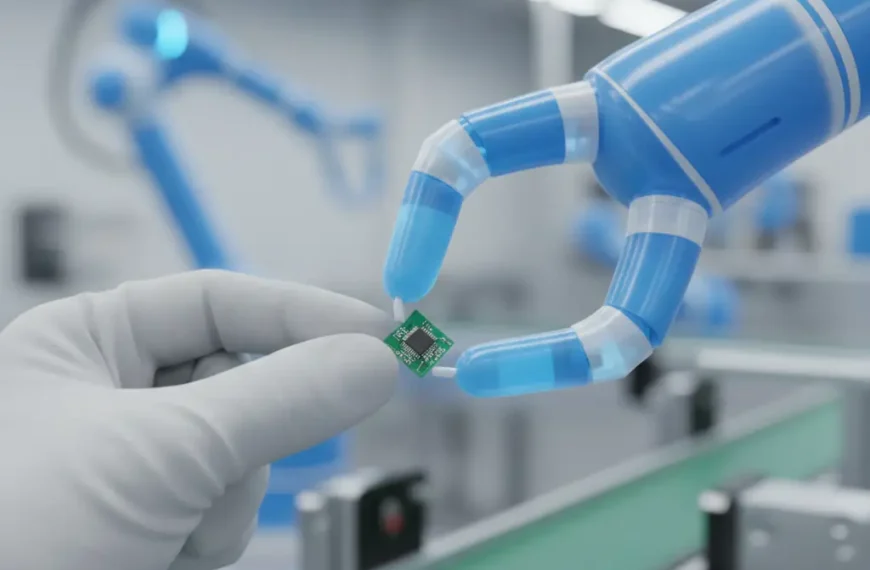
The very nature of bio-inspired design—mimicking creatures like octopuses or human hands—demands a thoughtful look at safety, autonomy, and the psychological impact on the people they serve. We must ensure that compliance doesn’t breed complacency regarding their deployment.
This discussion isn’t about halting progress, but about establishing clear moral and legal guardrails to ensure these helpful machines serve humanity responsibly.
—
🛡️ Safety Reimagined: The Double-Edged Compliance
Soft robots are often lauded for their inherent safety. Their compliant materials reduce the force of impact, making accidental collisions less harmful than with rigid machines. This intrinsic safety is vital for their use as collaborative robots (cobots) and medical assistants.
However, safety isn’t just about physical compliance; it also involves reliability. Because soft robots are difficult to model precisely, their movements can sometimes be unpredictable, especially under unexpected loads or conditions.
The Reliability Gap
Engineers must guarantee the long-term reliability of soft systems, particularly those used in sensitive areas like surgery or elderly assistance. A tear in a prosthetic’s pneumatic channel, for example, could lead to loss of function at a critical moment.
Ethical development demands robust testing and clear certifications to ensure that their compliance doesn’t hide a vulnerability in performance. The standard for a soft surgical tool must be just as high as a rigid one.
—
🤫 The Intimacy of Data: Privacy Concerns
As soft robots become our partners in rehabilitation, elder care, and household chores, they are designed to be in close, continuous contact with us. This physical proximity is often coupled with sophisticated sensing capabilities.
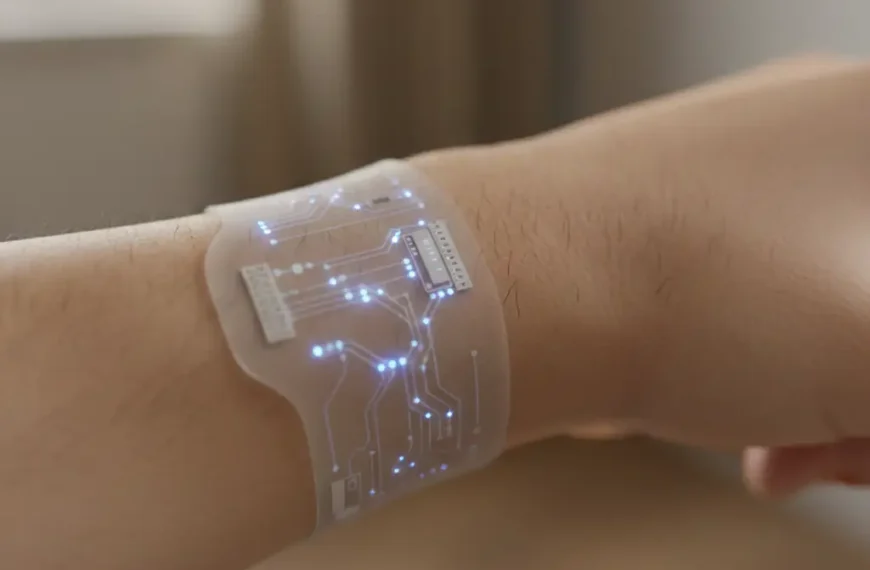
Soft robotic exosuits, for instance, monitor physiological data, movement patterns, and muscle signals to provide assistance. This creates a vast, intimate dataset about the user’s health, habits, and physical vulnerabilities.
Who Owns the Personal Data?
The ethical question quickly becomes: How is this highly sensitive, personal data stored, accessed, and secured? Clear regulations are needed to govern the use of data collected by robots that are essentially worn on the body or reside in the home.
We must ensure that the convenience of a robot helper does not come at the expense of private medical and behavioral information, establishing trust in these new domestic partners.
—
🧬 The Uncanny Valley: Mimicking Life
Soft robots draw inspiration from biology, leading to devices that move and look strikingly like living creatures—from fish and snakes to lifelike hands. This raises profound questions about our psychological comfort and the line between machine and organism.
The concept of the ‘Uncanny Valley’ suggests that robots that look *almost* human, but not quite, can trigger feelings of discomfort or revulsion. As soft prosthetics become more lifelike, how will society react to their presence?
Deception and Autonomy
Should robots be designed to intentionally deceive, or should their mechanical nature always be transparent? An ethical consensus leans toward transparency, especially when dealing with vulnerable populations like children or the elderly.
Furthermore, when a bio-inspired robot acts autonomously—like a self-swimming drone—the question of accountability arises. Who is responsible when a highly autonomous, lifelike machine makes an operational error?
—
⚖️ Defining Responsibility and Accountability
The increasing autonomy of soft robots, often powered by AI and machine learning, complicates traditional notions of responsibility. When a soft surgical robot makes an error, the fault is harder to trace than with a human or a rigid, pre-programmed machine.
Legal and ethical frameworks must adapt to address the distributed control inherent in these systems. Is the designer, the manufacturer, the programmer, or the supervising human operator ultimately liable?
We need international standards that clearly define the required level of human oversight for autonomous soft robots in critical applications, setting clear boundaries for risk acceptance.
—
✨ A Call for Ethical Design and Transparency
The development of soft robotics must be guided by an ethical mandate. This means prioritizing human well-being and autonomy in every design choice, from the materials used to the data protocols employed.
Ethical design ensures that soft robots remain tools for human enhancement, not replacements for human connection. The future of robotics should be one of collaboration, safety, and transparency, respecting the line between compliance and conscious life.
The conversation needs to be broad and inclusive, involving not just engineers, but ethicists, policymakers, and the public, to ensure that the soft revolution proceeds on solid ethical ground.
 By
By