
🌱 Engineering Life: Where Soft Robotics Meets Biology
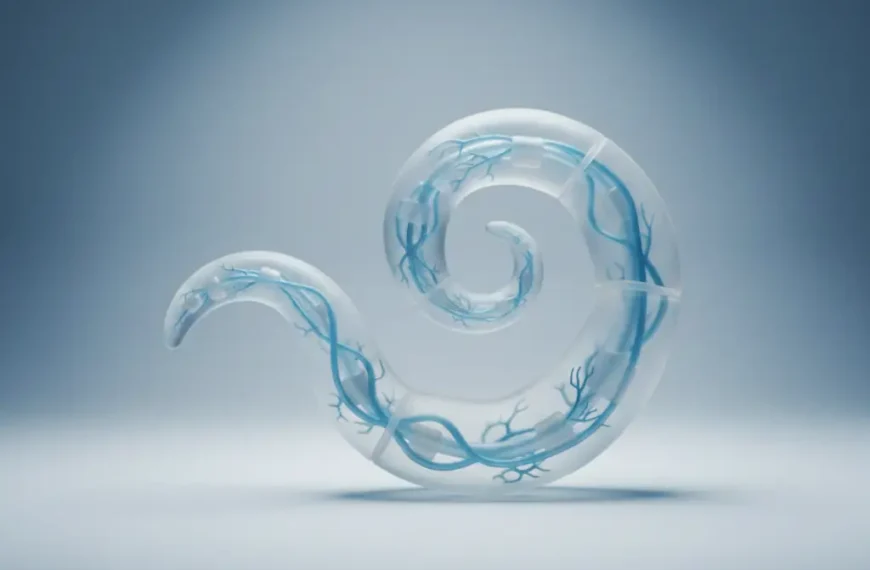
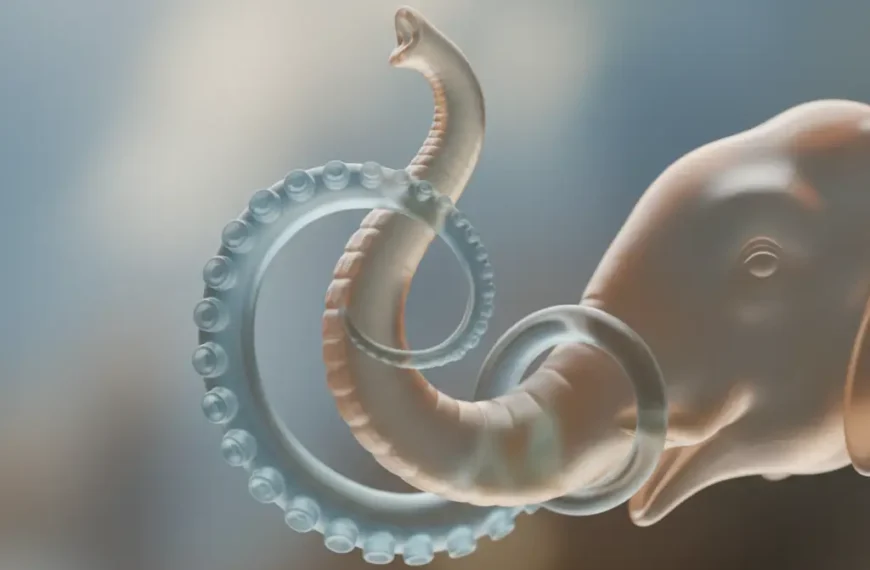
Soft robotics, by definition, takes inspiration from nature. But what happens when we move beyond simply mimicking biology and begin to integrate living components directly into a robot’s design? This is the fascinating world of Bio-Hybrid Robotics.
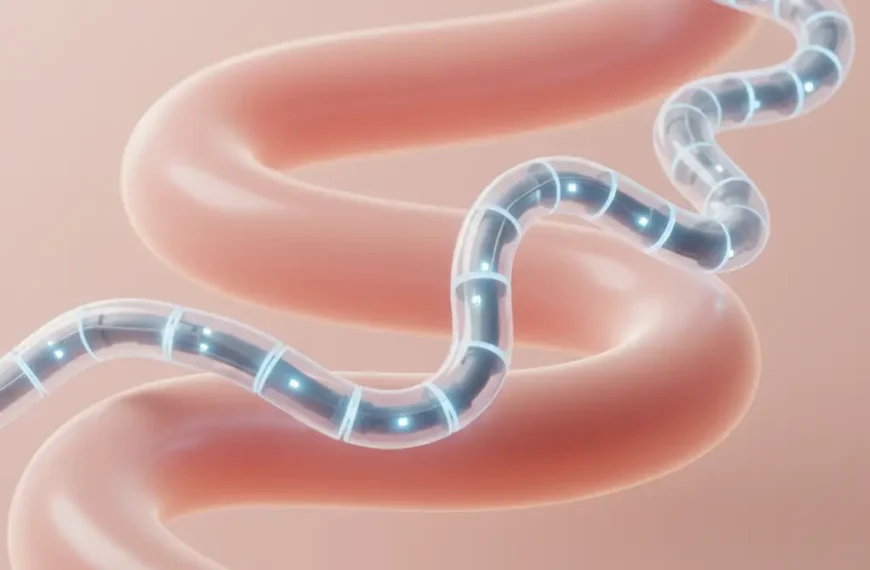
These devices blur the traditional line between machine and organism, combining soft, synthetic polymer bodies with functional, active biological elements—most often muscle cells or bacteria.
This approach harnesses the incredible efficiency and adaptability of living systems, leading to robots that can move, sense, and even heal in ways purely synthetic machines cannot.
—
🔬 The Living Actuator: Power from Muscle Cells
In conventional soft robotics, movement is achieved through external forces like air pressure or internal stimuli like electricity. Bio-hybrid robots introduce a powerful, natural form of actuation: living muscle tissue.
Engineers can grow muscle cells—often cardiac (heart) or skeletal muscle cells—on a flexible, biocompatible scaffold, typically made of soft polymer or hydrogel. This tissue is then precisely integrated as the robot’s ‘motor.’
When an electrical or chemical signal is applied, the muscle tissue contracts, causing the soft robot to move or flap, similar to how a heart pumps blood or a leg muscle flexes.
Micro-Swimmers and Bio-Boats
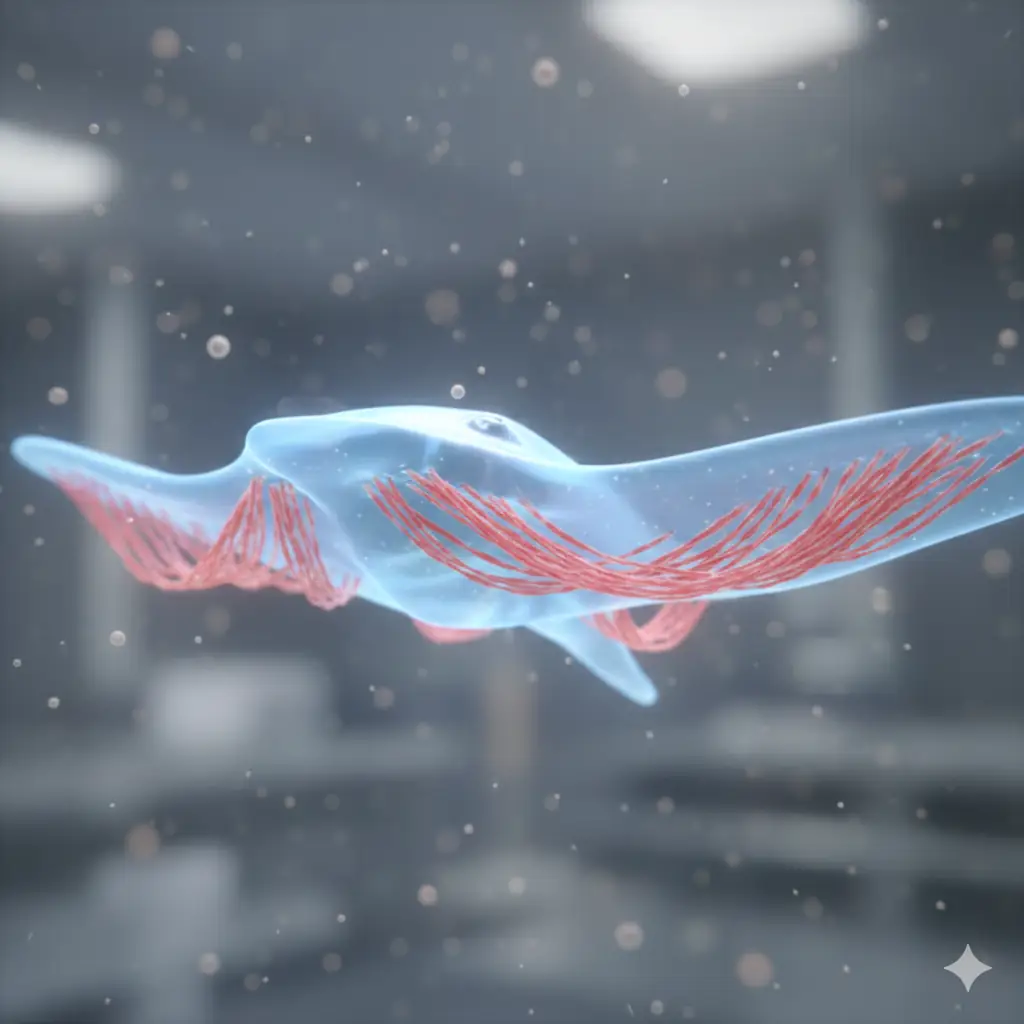
A prime example is the bio-hybrid swimming robot or ‘bio-bot.’ Researchers have created tiny structures that resemble jellyfish or manta rays, powered by contracting rat heart cells or human stem-cell-derived muscle tissue.
These bots require minimal energy input and move with the fluid, continuous motion characteristic of soft systems. They demonstrate superior energy efficiency compared to any known micro-motor.
The inherent compliance of the soft robot body is crucial here, as it provides the flexible structure necessary for the biological tissue to contract effectively and translate that force into locomotion.
—
👃 Sensing and Signaling: Bacteria and Neurons
Bio-hybrid robots aren’t just about movement; they are also pioneering new frontiers in integrated sensing. Living cells can provide highly sensitive feedback that is difficult to replicate with synthetic sensors.
Biological Sensing
Certain bacteria or engineered cells can be used as highly specific biological sensors. For instance, a robot could carry cells engineered to fluoresce (glow) when they encounter a specific toxin or pollutant in the environment.
This provides real-time, highly sensitive chemical detection. The soft body of the robot encapsulates these sensitive biological components while allowing them safe access to the external environment.
Bi-Directional Communication
Researchers are also exploring ways to integrate nerve tissue or neural interfaces into soft robots. This could allow the soft machine to receive and transmit bio-signals, potentially enabling more intuitive control for prosthetic or assistive devices.
—
🧪 Applications: Medicine and Environmental Monitoring
The integration of living components promises to unlock new capabilities, especially in medical and environmental fields where interaction with biological systems is key.
A central ethical consideration for bio-hybrid robots is their viability and disposal. Since they contain living tissue, there are questions about their lifespan, maintenance requirements, and the safe, ethical disposal of the biological components after their mission is complete.
In Vivo (Inside the Body) Drug Delivery
Micro-scale bio-hybrid robots could be used for targeted drug delivery. The soft robot is powered by muscle cells to swim to a specific site, and the living tissue ensures the entire device is highly biocompatible and minimizes immune rejection.
The movement mechanism is sustained by nutrients in the blood, offering an efficient, self-sustaining propulsion system for navigating the human circulatory system.
Autonomous Environmental Cleanup
Imagine soft, bio-hybrid robots equipped with toxin-eating bacteria. These ‘bio-remediation bots’ could be released into contaminated water sources, swimming autonomously and using their biological cargo to clean up pollutants.
The soft body provides a safe, mobile platform for the biological agents, allowing them to cover a much larger area than stationary bio-reactors.
—
🚧 The Hurdles: Sustaining Life in a Machine
While the concept is powerful, significant engineering challenges remain in creating practical bio-hybrid robots.
Maintaining Cell Viability
Living cells require precise conditions—temperature, nutrients, and waste removal—to remain alive and functional. Designing a soft robot that can sustain these conditions autonomously for an extended period is complex.
Control and Speed
The movements generated by muscle tissue are often slower and less powerful than synthetic actuators. Achieving reliable, on-demand steering and speed control with biological components remains a major scientific hurdle.
Sterilization and Longevity
Purely synthetic robots can be sterilized easily. Bio-hybrid robots require specialized handling to maintain the health of the living tissue, limiting their deployment in non-sterile environments or for long missions.
—
✨ A New Definition of Robotics
Bio-hybrid robotics is pushing the boundaries of what a machine can be. It integrates the strengths of synthetic engineering—precise fabrication and electronic control—with the power of biological life—efficient energy use and natural motion.
This groundbreaking synergy offers a glimpse into a future where robots are not just metal and plastic, but are truly living machines, paving the way for revolutionary advancements in both medicine and sustainability.
 By
By