
🚀 Launching Your Future in Flexible Machines
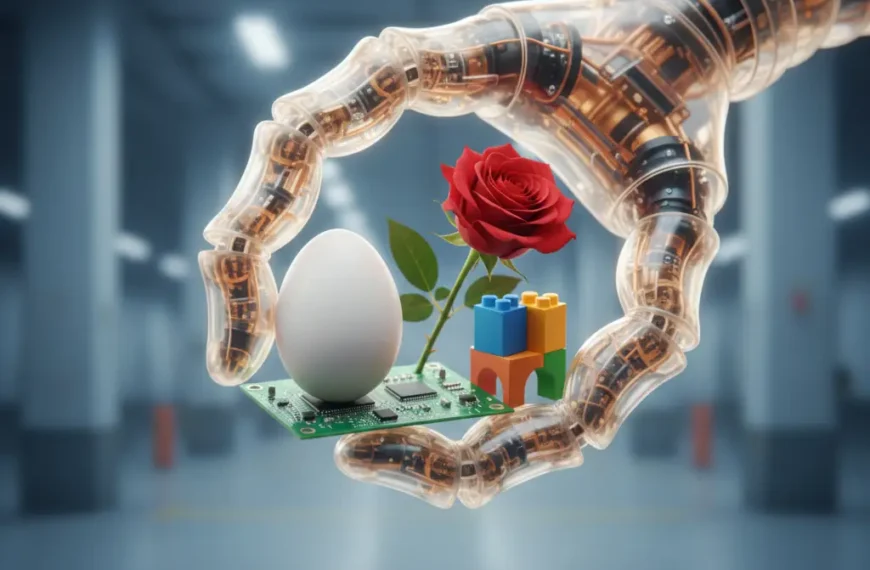
Soft robotics is one of the most exciting and fastest-growing fields in engineering today. It sits at the intersection of many disciplines, making it a powerful area for innovation, but also complex for someone just starting their academic journey.
Unlike traditional robotics, which is rooted firmly in mechanical and electrical engineering, soft robotics requires a unique blend of expertise. It demands fluency in the language of materials, biology, and advanced control systems.
If you’re fascinated by compliant machines and want to design the next generation of medical devices or industrial cobots, here is a roadmap for building a successful career in this dynamic field.
—
📚 The Foundation: Interdisciplinary Academic Paths
Because soft robotics is highly specialized, a strong general foundation is essential. The field rarely fits neatly into one traditional major; instead, it draws core knowledge from three key areas.
1. Mechanical and Mechatronics Engineering
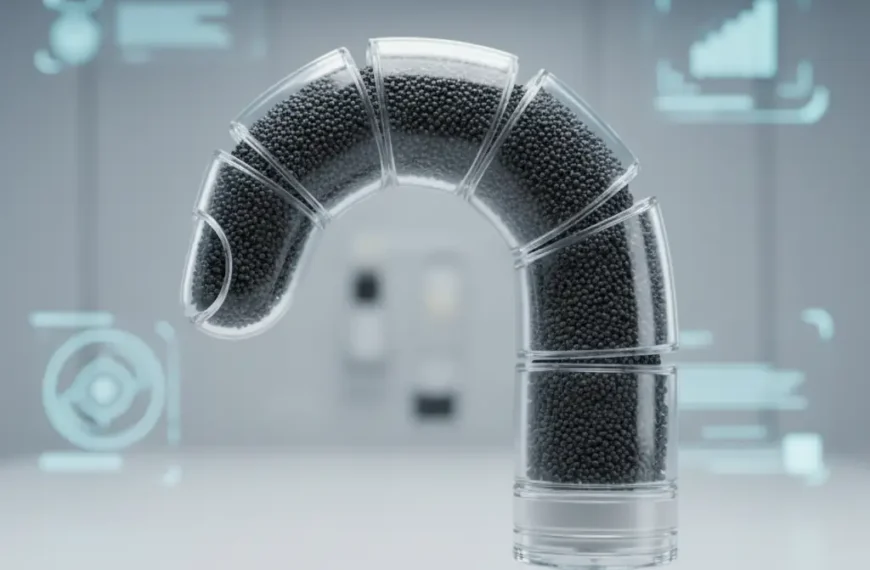
This provides the necessary framework for understanding motion, forces, and system design. You’ll learn the principles of fluid mechanics, which are crucial for designing pneumatic and hydraulic soft actuators (like PneuNets).
Key courses here include fluid dynamics, kinematics, and control theory. This background helps you engineer the flexible ‘muscles’ and structure of the robot itself.
2. Materials Science and Chemical Engineering
The soft revolution is a material revolution. Understanding polymers, elastomers (like silicone), and hydrogels is non-negotiable. Soft robotics often requires custom materials with specific properties, such as stretchability or self-healing capabilities.
A background in materials science teaches you how to synthesize, cure, and test the materials that make soft compliance possible. Knowing material chemistry helps you predict how a robot will behave under strain.
3. Electrical Engineering and Computer Science (AI/ML)
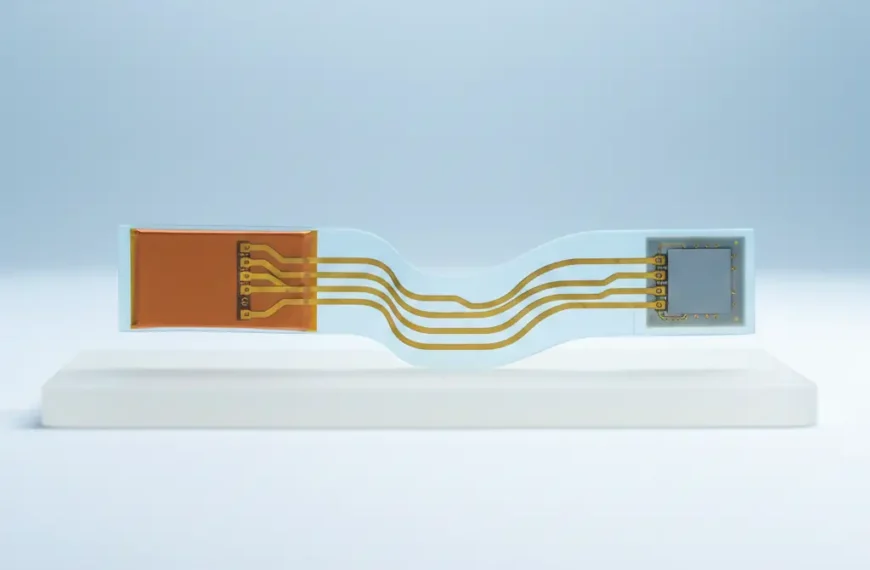
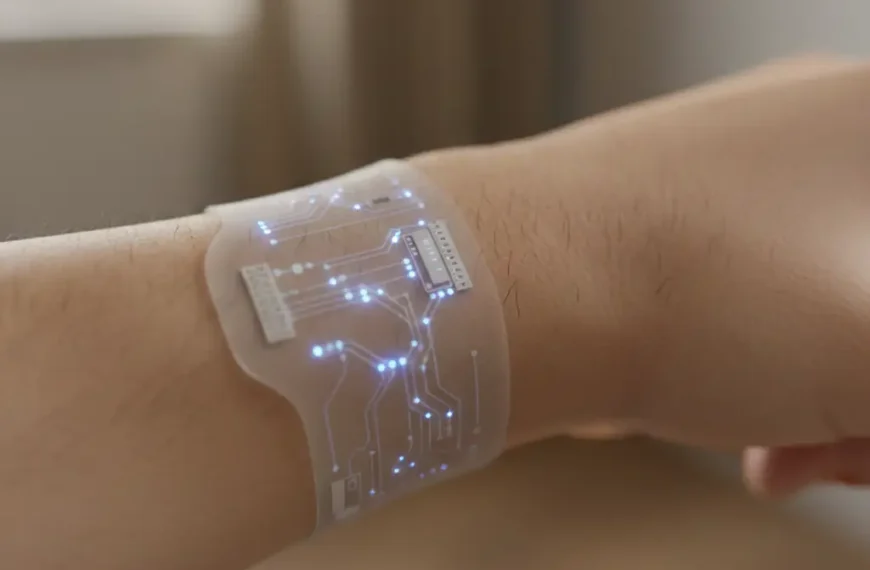
Every robot needs a brain. Electrical engineering provides the skills to design flexible circuits and integrate miniaturized, soft sensors. You’ll also need to master control systems to translate fluid pressure or voltage into precise movement.
Crucially, understanding AI and Machine Learning is vital for solving the complex control problem of soft robots. Concepts like Reinforcement Learning are used to teach a flexible arm how to grasp an object.
—
💡 Essential Skills: Beyond the Textbook
A successful career in soft robotics demands practical skills that go beyond traditional coursework. You need to be comfortable bridging the gap between theoretical models and messy, real-world fabrication.
Practical Skills to Master
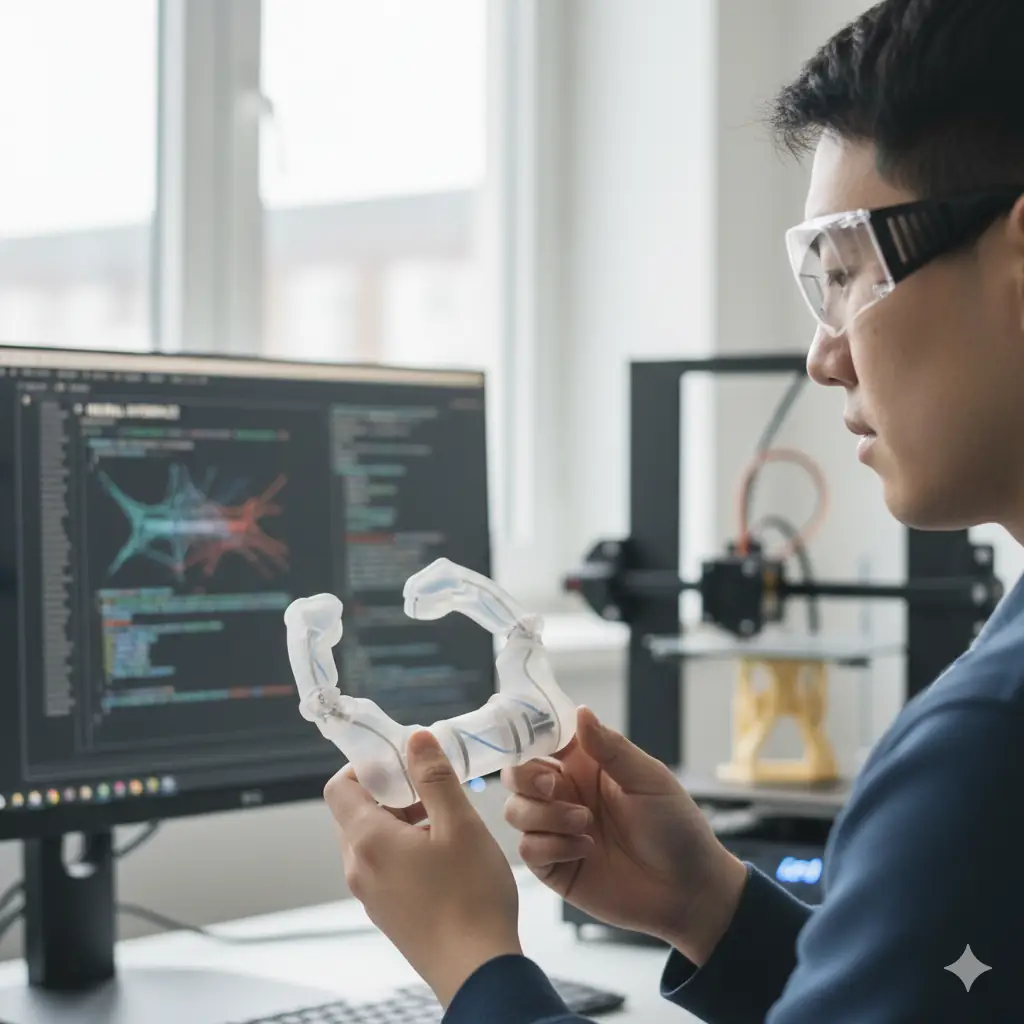
- Fabrication Techniques: Gain experience with casting, molding, and advanced 3D printing (like Direct Ink Writing). Soft robots are built, not assembled.
- CAD and Simulation: Master computer-aided design tools, but also learn finite element analysis (FEA) to simulate how soft materials deform under force.
- Embedded Systems and Sensing: Practice working with microcontrollers (like Arduinos or Raspberry Pis) and flexible sensors (strain gauges, capacitive arrays).
- Biomimetics and Biology: Study nature! Understanding the locomotion of earthworms, the gripping of elephant trunks, or the flight of insects provides invaluable design inspiration.
The most successful soft roboticists are those who can speak the language of engineering, chemistry, and biology fluently.
—
🔬 The Next Steps: Research and Specialization
Because soft robotics is a leading-edge research field, many career paths benefit significantly from graduate-level education (Master’s or Ph.D.). This allows you to specialize and contribute to novel research.
Finding the Right Program
Look for universities with dedicated soft robotics labs, often found within mechanical, biomedical, or material science departments. Focus on faculty whose research aligns with your interests, be it medical devices, bio-hybrid systems, or industrial cobots.
Graduate school provides the opportunity to work directly on complex projects, such as designing a self-healing polymer or developing an AI control system for a continuum arm.
Tips for Success: Prioritize internships and hands-on projects. Demonstrating that you can design, fabricate, and test a functional soft robot prototype is often more valuable than a perfect GPA in this highly applied field.
—
🌎 Career Paths: Where Soft Robots Go to Work
The job market for soft robotics is expanding rapidly, moving out of purely academic settings into diverse industries that require compliant automation.
Potential career paths include:
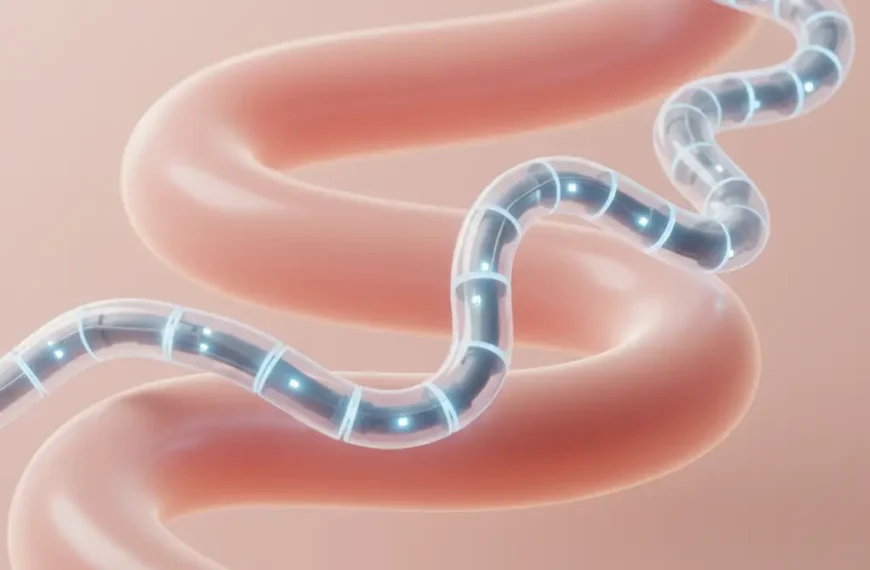
- Biomedical Device Engineering: Designing soft surgical tools, exosuits for rehabilitation, or drug delivery microrobots.
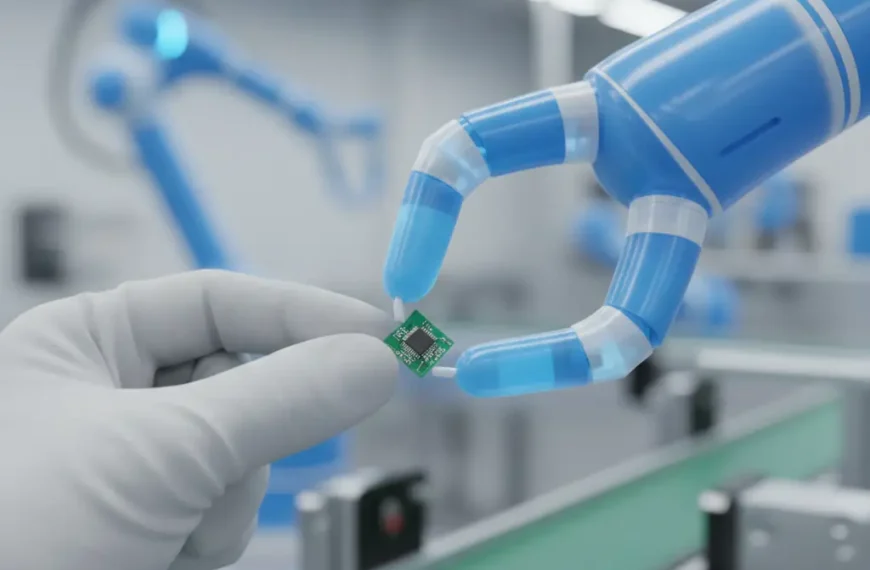
- Manufacturing and Logistics: Developing soft grippers for handling fragile goods (food, electronics) and designing collaborative robots (cobots).
- Research and Development (R&D): Working at government labs or private companies developing next-generation materials (self-healing, variable stiffness).
- Aerospace and Exploration: Designing compliant vehicles for atmospheric or deep-sea research where resilience is key.
Soft robotics isn’t just a niche; it’s a fundamental shift toward creating machines that interact safely and naturally with humans and their environments.
—
✨ Embracing the Future of Robotics
Starting a career in soft robotics is a commitment to continuous, interdisciplinary learning. It’s a field that rewards curiosity, creativity, and a willingness to get hands-on with messy, flexible materials.
By blending core engineering with an appreciation for biology and advanced computing, you can position yourself at the forefront of the compliant machine revolution. The future of robotics is indeed soft, and it needs bright minds like yours to guide it.

 By
By