
🕊️ The Sky’s Next Chapter: Agility Meets Biology
For decades, our flying machines have relied on rigid, complex mechanical parts. While effective, this approach often limits their agility and maneuverability, especially when compared to nature’s own pilots—birds and insects.
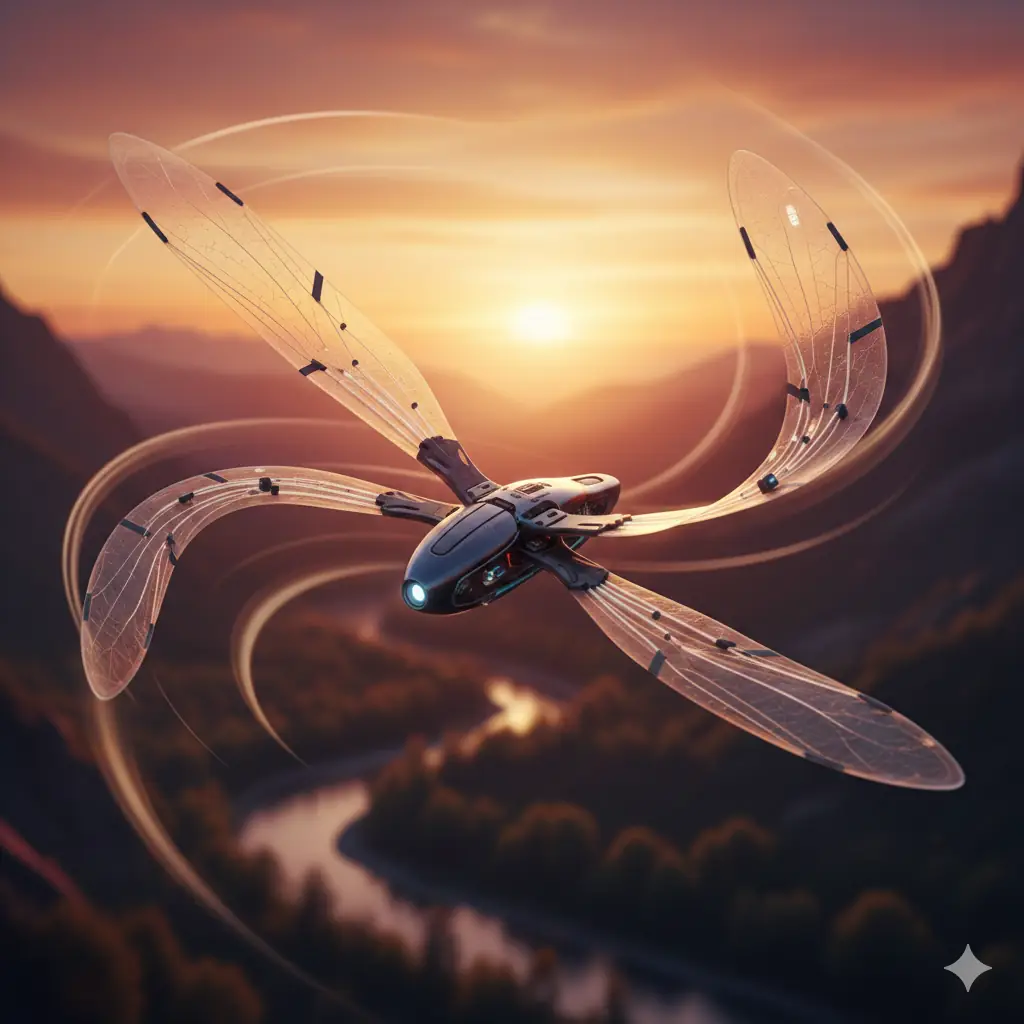
Now, a fascinating shift is underway. Engineers are looking beyond stiff materials and embracing the world of soft robotics to mimic the subtle, powerful movements of biological flight. This is leading to a new class of aerial vehicles (drones) that are lighter, safer, and remarkably more agile.
🔬 What is Soft Robotics, Anyway?
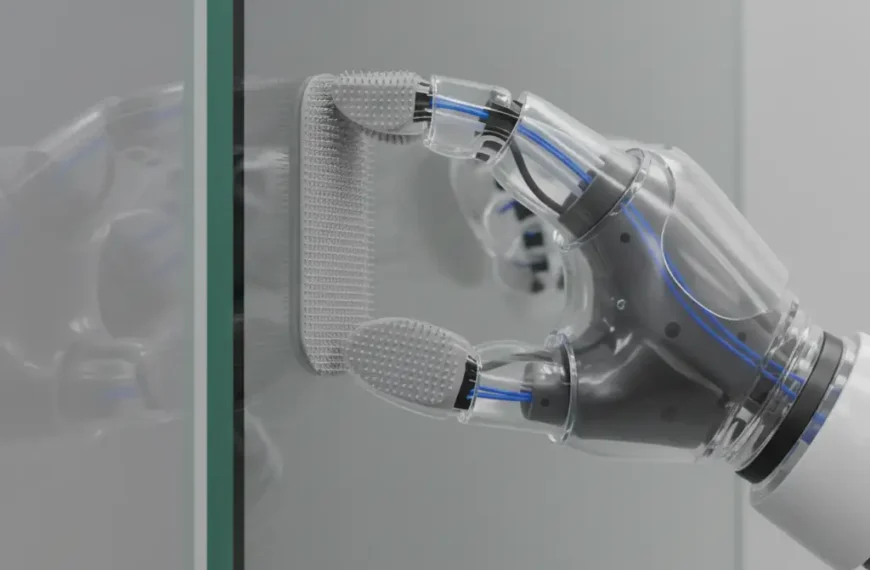
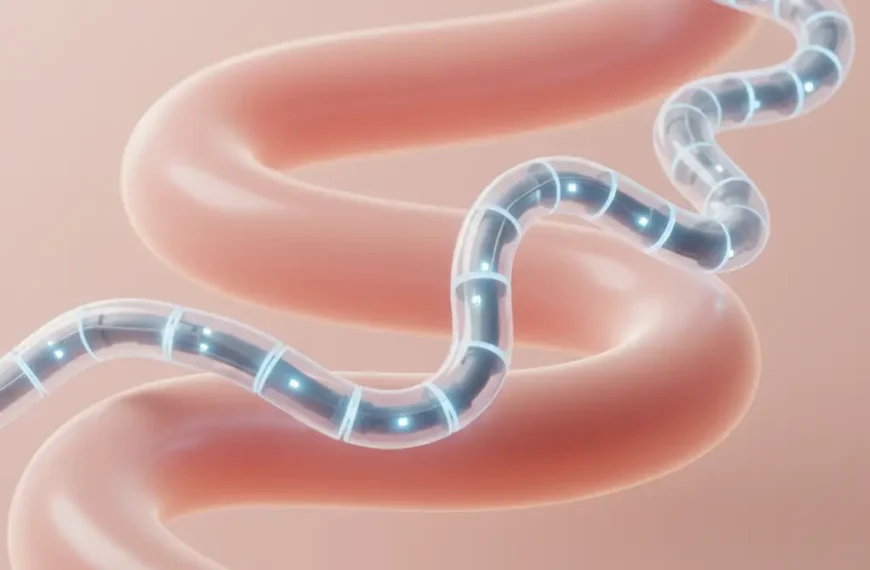
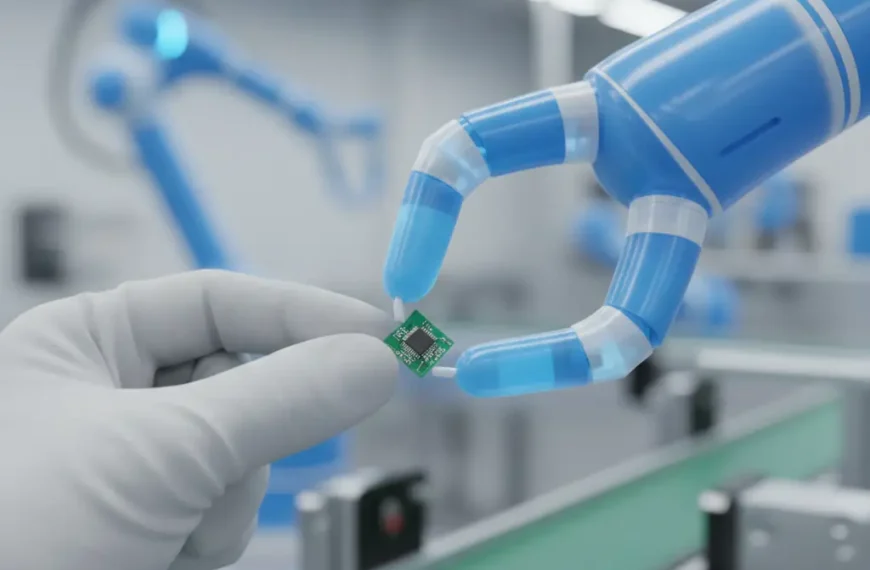
Simply put, soft robotics is a subfield that focuses on building robots using highly compliant (flexible) materials, similar to biological tissues.
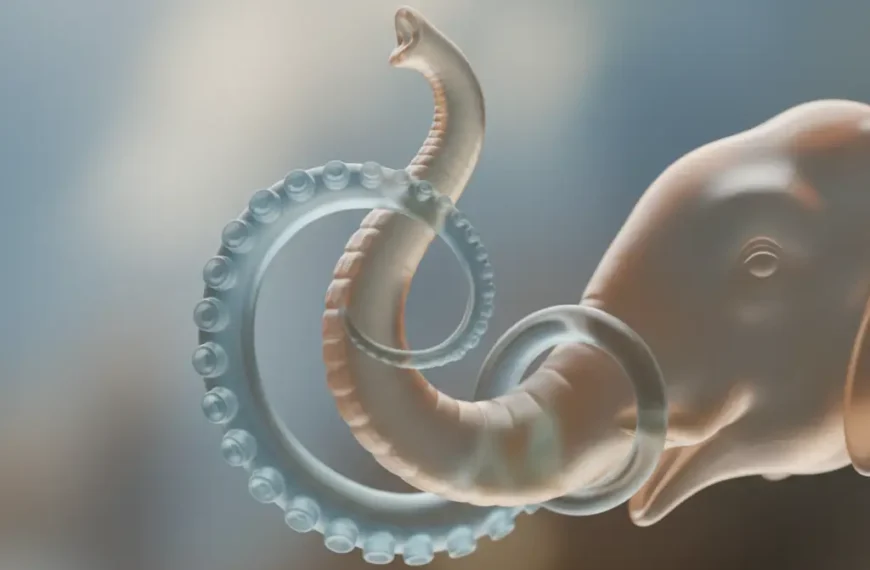
Unlike traditional robots that rely on motors, gears, and rigid links, soft robots often use pneumatic (air-powered) or hydraulic (liquid-powered) systems to bend, twist, and shift shape. Think of an octopus’s arm versus a steel robotic arm.
This compliance is key to unlocking new possibilities in aerial dynamics. Stiff wings can only do so much; flexible wings, however, can dynamically change their shape to harness air currents with incredible precision.
🦋 The Biomimicry Advantage: Learning from Nature
The term biomimicry means solving human challenges by imitating nature’s time-tested designs. When it comes to flight, nature has been perfecting its aerodynamics for millions of years.
Consider the delicate yet powerful wings of a dragonfly, or how a bird tucks and twists its wingtips mid-air to execute a tight turn. These movements are based on continuous, subtle morphing—something rigid materials struggle to replicate.
Soft robotics allows us to incorporate these biological secrets, creating ‘flaps’ and wings that can actively change their camber, twist, and surface area in real-time, greatly exceeding the capabilities of simple hinged control surfaces.
Harnessing Elasticity for Efficiency
A significant benefit is aeroelastic coupling. In rigid-wing aircraft, this is often a problem (like wing flutter), but in soft robotics, it’s an asset. The inherent elasticity of the materials can store and release energy, making the flapping motion far more energy-efficient, just as a bird’s wing naturally recoils.
This subtle, almost invisible, shape-shifting is the crucial difference, moving beyond just ailerons and rudders to an entire surface that interacts with the air dynamically.
⚙️ The Mechanics of ‘Soft Flaps’ in Drones
How do engineers achieve this level of control in a soft material? It often comes down to internal actuation—the method used to make the material move without traditional motors.
Pneumatic Networks and Actuators
Many soft wings use internal channels or ‘muscles’ embedded within the elastomer (a type of flexible polymer). By precisely controlling the air pressure in these channels, different sections of the wing can be inflated or deflated.
Imagine small, strategically placed balloons inside the wing’s leading edge. Inflating these changes the wing’s profile, providing highly responsive lift and control. This system is significantly lighter than an equivalent array of motors and linkages.
Electroactive Polymers (EAPs)
Another promising avenue is the use of Electroactive Polymers (EAPs), often called ‘artificial muscles.’ These materials change shape or size when an electric field is applied. While currently more energy-intensive, their ability to react rapidly without any moving parts makes them ideal for micro-drones requiring extremely fast wing adjustments.
🚀 Practical Implications: Beyond the Lab
The promise of soft robotics in flight is not just about making fancier toys; it addresses fundamental limitations in current drone technology, opening up vital new applications.
Enhanced Agility and Obstacle Avoidance
Drones with soft, morphing wings can perform sharp, dynamic maneuvers far beyond rigid-wing limits. This is essential for navigating dense environments like forests, collapsed buildings, or complex industrial spaces.
Imagine a search-and-rescue drone that can instantly adjust its wings to slip through a narrow gap, or a surveillance drone that can mimic the evasive movements of a bat.
Improved Safety and Durability
The soft nature of these drones makes them inherently safer. If a drone hits an object or a person, the impact is absorbed by the compliant material, greatly reducing damage to both the environment and the drone itself. Furthermore, they are more robust against minor crashes; where a rigid drone might snap a wing, a soft wing will simply flex and recover its shape.
📊 Comparing the Flight Philosophies
To better understand the scale of this change, consider the fundamental trade-offs between the two approaches:
| Feature | Rigid-Wing Drones (Traditional) | Soft-Wing Drones (Biomimetic) |
|---|---|---|
| Primary Control | Hinged Flaps (Ailerons, Rudders) | Full-Surface Morphing (Shape-Shifting) |
| Agility in Tight Spaces | Limited; Requires high speed | High; Exceptional low-speed control |
| Safety/Durability | Fragile; High damage upon impact | Durable; Absorbs impact; Safer around people |
| Energy Efficiency | Good at cruise speed | High potential due to aeroelastic energy return |
🔮 Looking Ahead: The Future is Flexible
The field is still maturing, with engineers solving challenges related to power consumption for actuators and ensuring long-term material reliability in harsh conditions. However, the trajectory is clear.
Soft robotics is giving us the tools to build machines that don’t just fly *like* animals, but that fundamentally interact with the air *as* animals do.
Expect to see smaller, safer, and far more adaptable aerial vehicles in the next decade. Whether for infrastructure inspection, environmental monitoring, or last-mile delivery, the sky will soon be filled with a more nimble, biologically-inspired fleet.
 By
By