
Soft Robotic Hearts: Pumping Systems Modeled After Natural Cardiac Tissue
The human heart is an astonishing piece of biological engineering. It beats tirelessly for decades, efficiently pumping blood throughout our bodies without a single rigid joint or gear. For those suffering from heart failure, a disease affecting millions globally, finding ways to replicate this natural wonder is a profound medical challenge.
Traditional artificial hearts have faced limitations due to their rigid components, which can cause blood clotting and wear out over time. But what if we could build a heart from soft, flexible materials, much like our own? This is the exciting premise behind ‘soft robotic hearts,’ a groundbreaking field drawing inspiration directly from natural cardiac tissue.
Understanding the Natural Heart’s Mechanics
To truly appreciate soft robotic hearts, it’s helpful to first understand how our biological heart works. It’s not just a simple pump; it’s a complex, four-chambered organ made of specialized muscle tissue that contracts and relaxes in a precise, rhythmic sequence.
The key is its flexibility and adaptability. The muscle fibers twist and squeeze, changing the heart’s shape in a coordinated dance to efficiently move blood. This continuous, deformable motion is what soft robotics aims to capture, moving beyond the limitations of stiff, mechanical pumps.
Why Softness Matters for a Pumping System
The flexibility of natural cardiac tissue is crucial. It allows the heart to withstand constant motion without fatigue and reduces friction against blood. Rigid pumps, by contrast, can create shear stress on blood cells, potentially damaging them and leading to complications like strokes.
Soft materials also allow for more natural interaction with surrounding biological tissues. A soft robotic heart, designed to flex and twist like a real one, would integrate more seamlessly into the body, potentially reducing the need for anti-clotting medications and lowering the risk of mechanical failure.
The Dawn of Soft Robotic Hearts
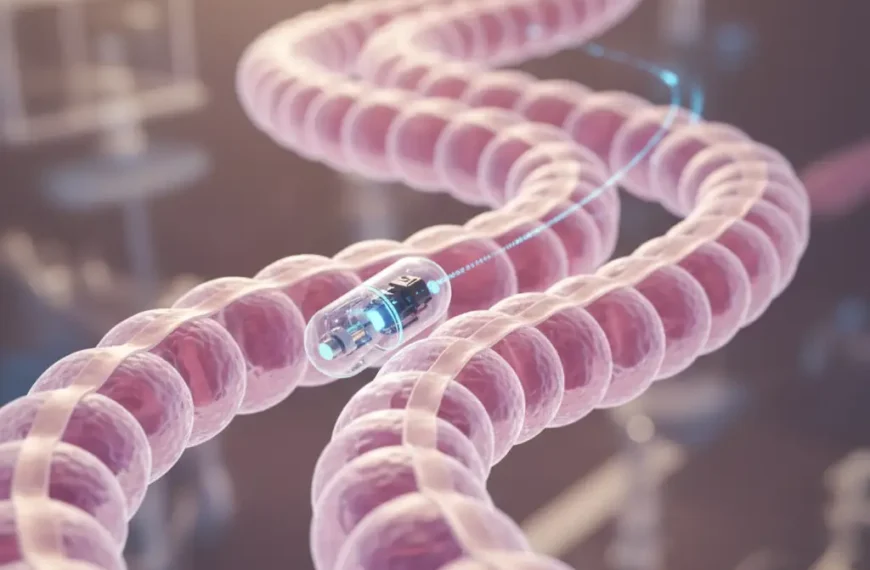
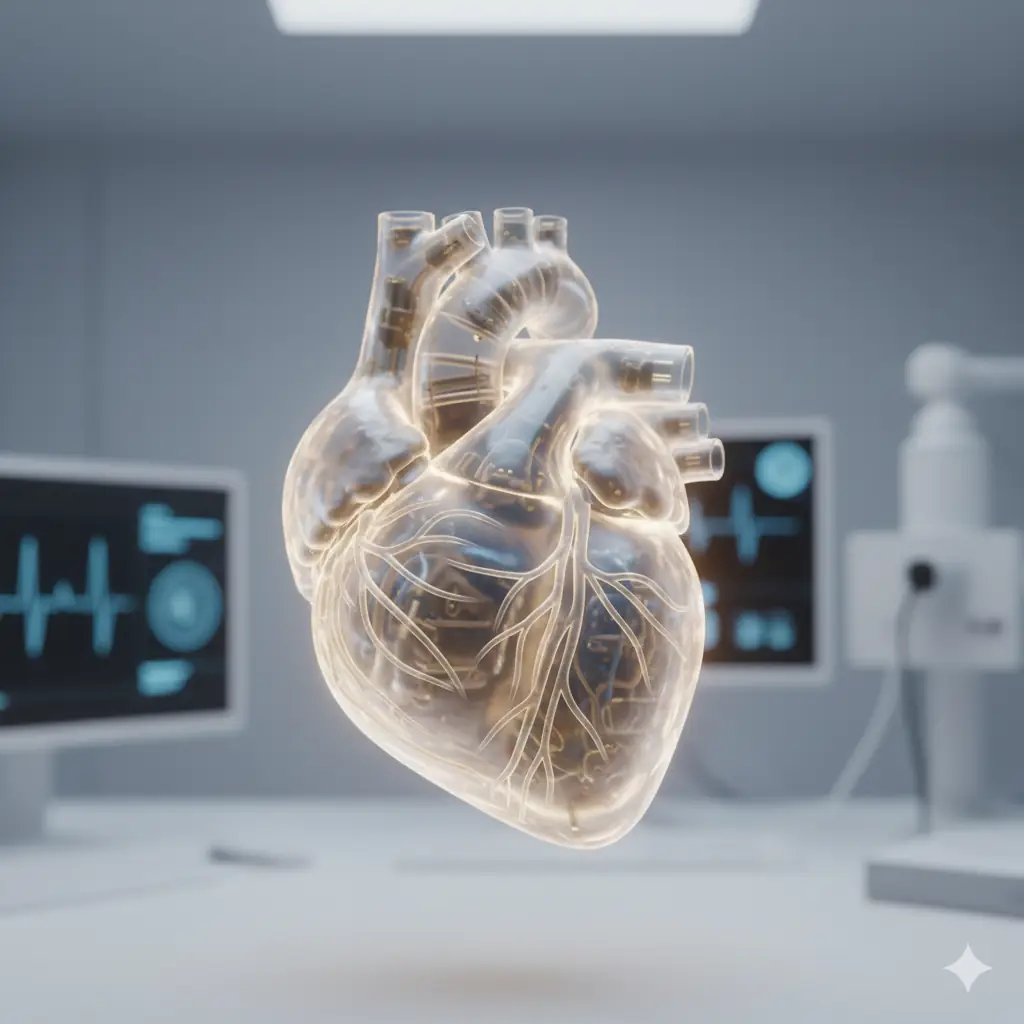
Pioneering research in soft robotics is now making these bio-inspired pumping systems a reality. Instead of metal and plastic valves, these devices are crafted from biocompatible silicone and other flexible polymers. Their movement is driven by external or embedded actuators that mimic muscle contractions.
These actuators often use pneumatics (air pressure) or hydraulics (fluid pressure) to deform the soft material, causing it to squeeze and relax, just like heart muscle. Imagine a balloon expanding and contracting to push fluid – that’s a simplified way to envision how these soft pumps operate.
Key Design Principles
Creating a soft robotic heart involves several innovative design principles:
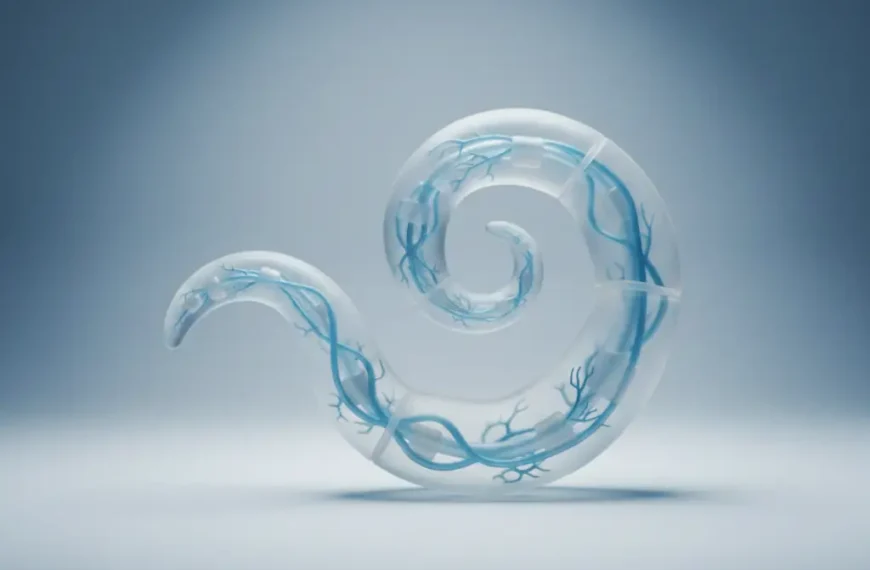
- Biomimetic Architecture: Replicating the helical fiber orientation of natural heart muscle, which allows for efficient twisting and squeezing motion.
- Material Selection: Using highly durable, flexible, and biocompatible materials like silicone elastomers that can endure billions of cycles without degradation.
- Actuation Control: Developing precise external control systems that can regulate the timing, pressure, and extent of the soft material’s deformation, mirroring the heart’s natural rhythm.
Insight: The goal isn’t just to pump blood, but to pump it in a way that is physiologically similar to a natural heart, minimizing stress on the blood and surrounding tissues.
Applications Beyond Artificial Hearts
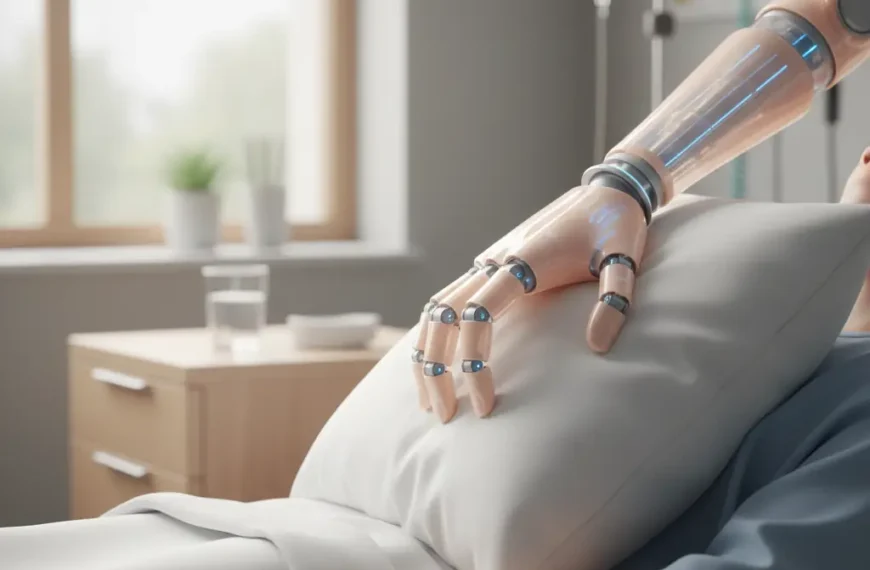
While the long-term vision is to create fully implantable artificial hearts, the technology behind soft robotic pumping systems has broader immediate applications. These devices can serve as crucial interim solutions or external support systems for patients awaiting transplants.
For example, some designs act as a ‘sleeve’ that wraps around a failing heart, assisting its contractions externally. This provides crucial support without direct contact with the blood, reducing risks. They can also be used in laboratory settings to test new cardiac drugs or understand heart disease without animal models.
Current Developments and Statistics
The field is progressing rapidly:
- Initial prototypes have demonstrated the ability to pump fluids at flow rates comparable to a human heart.
- Researchers have successfully created soft robotic ventricles that can beat for millions of cycles, mimicking years of human heart function.
- Advances in 3D printing of soft materials are accelerating the development of customized, patient-specific designs.
This innovative approach means we’re seeing not just new devices, but entirely new ways of thinking about how we assist and replace failing organs. It’s a shift from rigid engineering solutions to biologically inspired, flexible ones.
Challenges and the Road Ahead
Despite the immense promise, soft robotic hearts face significant challenges. Ensuring long-term durability and reliability in the complex environment of the human body is paramount. The materials must not degrade, and the control systems must be flawlessly precise.
Powering these devices is another hurdle. While current prototypes often rely on external pneumatic systems, future implantable versions will require compact, efficient internal power sources. Researchers are exploring wireless charging and miniature, self-contained pumps.
The journey from laboratory prototype to clinical application is long and rigorous, involving extensive testing, regulatory approvals, and ethical considerations. However, the foundational research is incredibly promising.
The Future is Flexible and Bio-Inspired
The development of soft robotic hearts is a testament to the power of biomimicry – learning from nature’s elegant designs to solve complex human problems. By creating pumping systems that move and function more like natural cardiac tissue, we are paving the way for safer, more effective, and more integrated medical devices.
This isn’t just about replacing a failing organ; it’s about re-imagining how we support life with technology that works in harmony with the human body. As this field continues to evolve, soft robotic hearts could profoundly impact the lives of millions, offering a renewed hope for those battling heart disease and revolutionizing the future of cardiac care.
 By
By