
🌱 Guiding Growth: The Promise of Regenerative Medicine
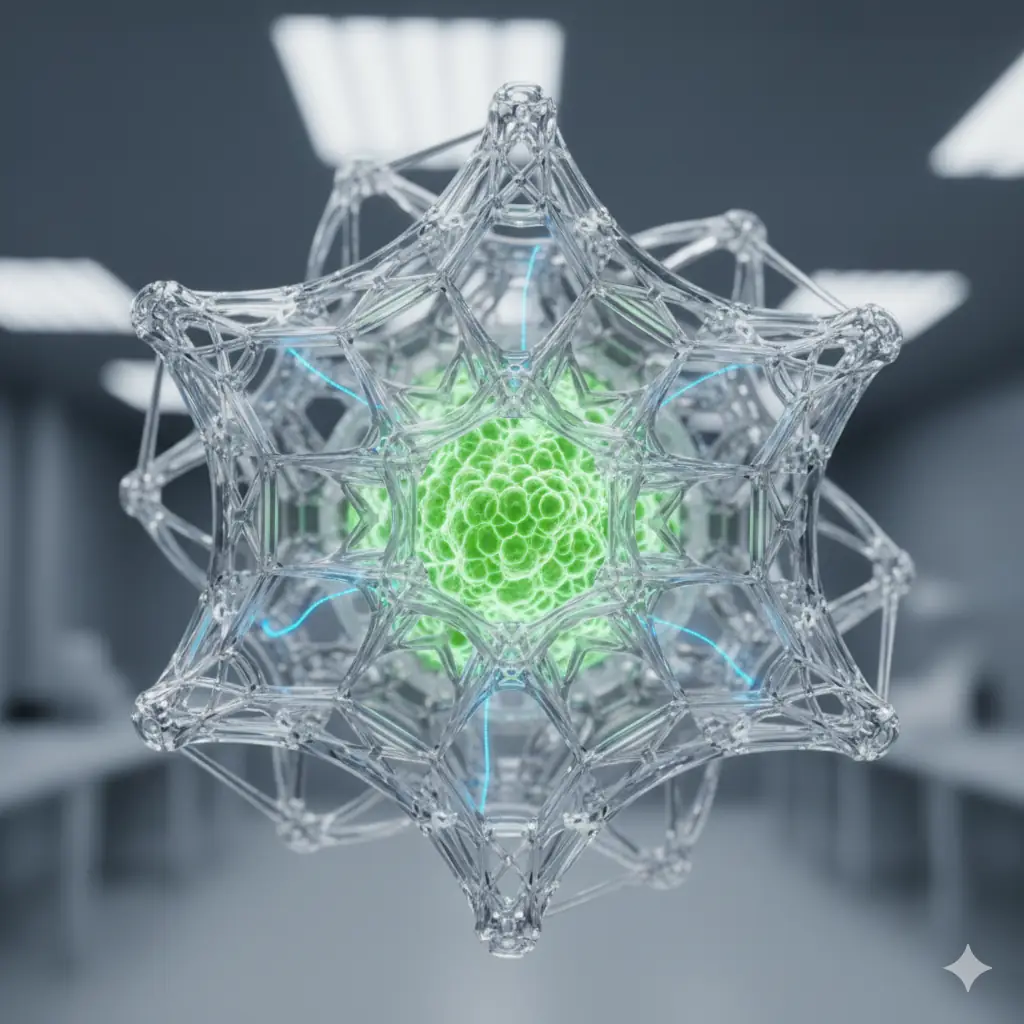
Regenerative medicine holds the incredible promise of repairing or replacing damaged tissues and organs. Traditionally, this involves passive scaffolds—frameworks that simply provide structural support for cells to grow upon, much like a trellis for a climbing plant.
However, living tissues are dynamic. They respond to mechanical forces, electrical signals, and biochemical cues. A static scaffold often fails to replicate these complex, active environments, leading to less effective regeneration.
This is where the principles of soft robotics are making a transformative impact, introducing the concept of active tissue scaffolds that can actively influence and guide cell growth.
—
💪 Beyond Passive: Scaffolds That Move and Flex
Our bodies are constantly in motion. Muscles contract, hearts beat, and blood vessels pulsate. These mechanical forces are crucial for healthy tissue development and maintenance.
Traditional, rigid tissue scaffolds struggle to replicate this dynamic environment. Cells grown on static surfaces often don’t develop the same strength or functionality as natural tissues, especially for load-bearing structures like heart muscle or bone.
Soft robotics changes this by designing scaffolds made of compliant, biocompatible materials that can actively deform and apply mechanical stimulation to growing cells, much like a tiny, integrated exercise machine for tissue.
Mimicking Biological Motion
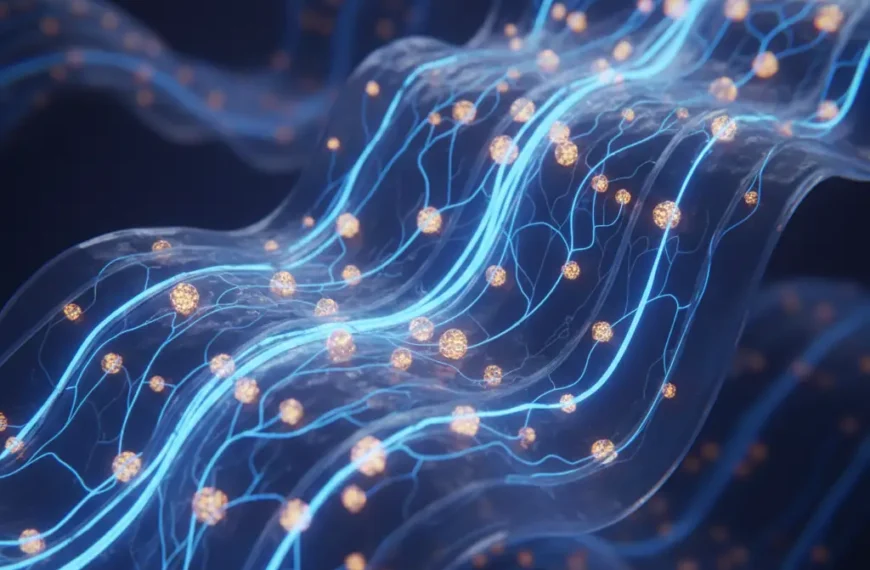
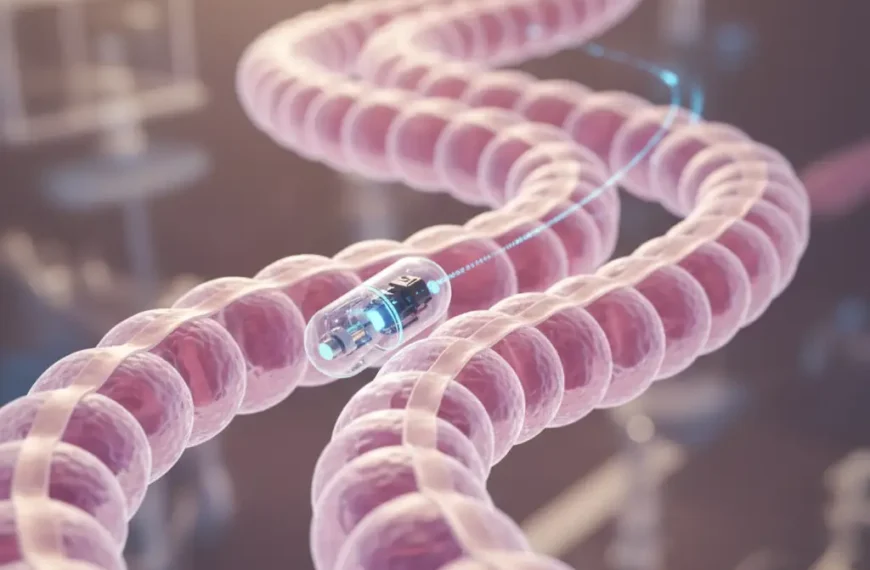
Active scaffolds incorporate micro-actuators directly into their structure. These can be tiny pneumatic channels, electroactive polymers, or even shape memory alloys that gently contract, expand, or twist.
This allows the scaffold to apply precisely controlled mechanical stimulation to the cells. For example, a cardiac tissue scaffold might rhythmically contract to mimic a beating heart, encouraging heart muscle cells to develop stronger, more functional tissue.
The soft, flexible nature of these robotic components ensures that the mechanical forces are distributed gently and physiologically, promoting natural growth patterns without damaging the delicate cells.
—
⚡ Electrical and Chemical Guidance
Beyond mechanical cues, living tissues also respond to electrical and chemical signals. Active scaffolds can integrate these elements, creating a multi-faceted environment for optimal cell differentiation and organization.
Electrical Stimulation for Nerve Regeneration
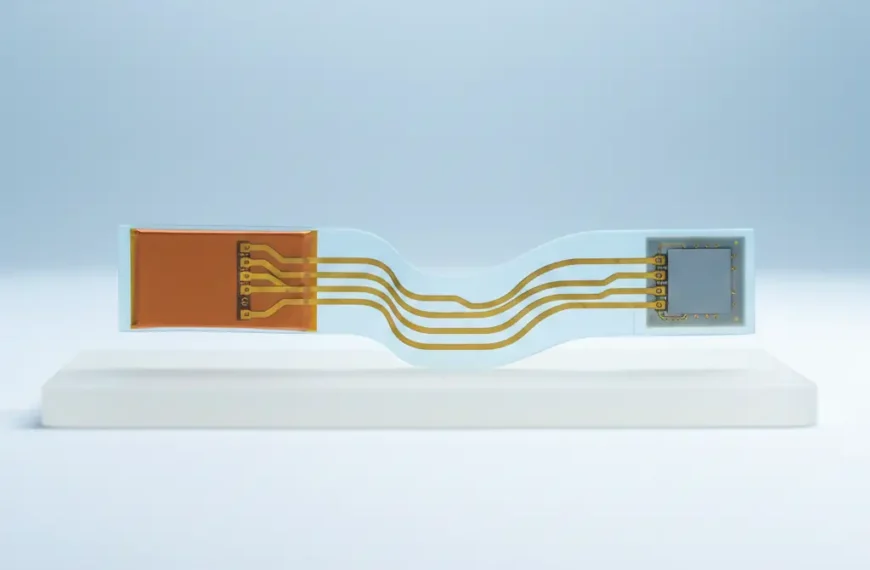
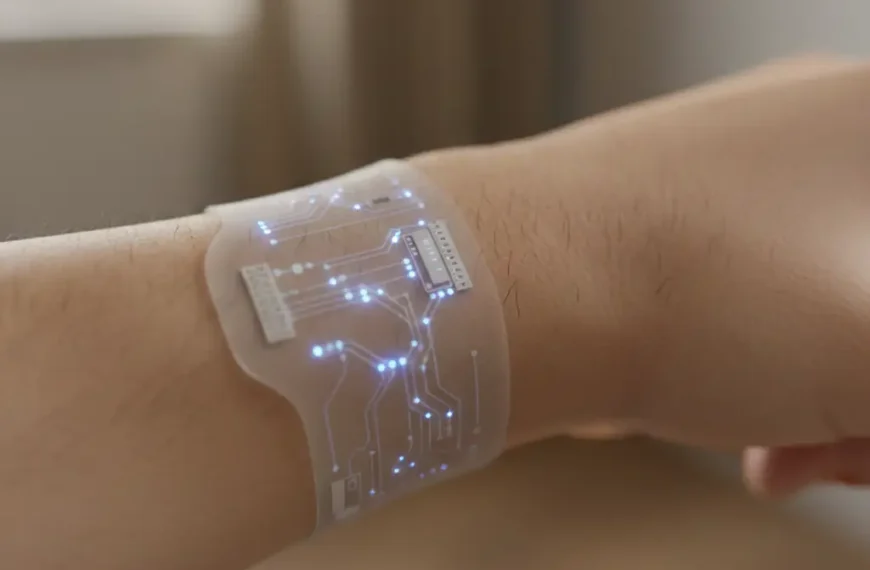
Soft robotic scaffolds can be designed with embedded flexible electrodes that deliver precise electrical pulses. This is particularly promising for nerve regeneration, where electrical stimulation plays a crucial role in guiding neural growth and reconnection.
Imagine a soft implant that actively encourages damaged nerve cells to bridge a gap, restoring function to a limb. The flexibility of the scaffold ensures it conforms to the delicate neural tissue without causing further damage.
Controlled Biochemical Release
Some active scaffolds incorporate microfluidic channels or hydrogel pockets that can release growth factors or drugs in a timed, localized manner. This allows for precise chemical signaling to guide cell behavior, such as encouraging stem cells to differentiate into specific tissue types.
—
🩹 Healing Within: Smart Implants
The principles of active scaffolds are not limited to laboratory tissue growth; they also extend to smart implants designed for direct insertion into the body to assist with on-site healing.
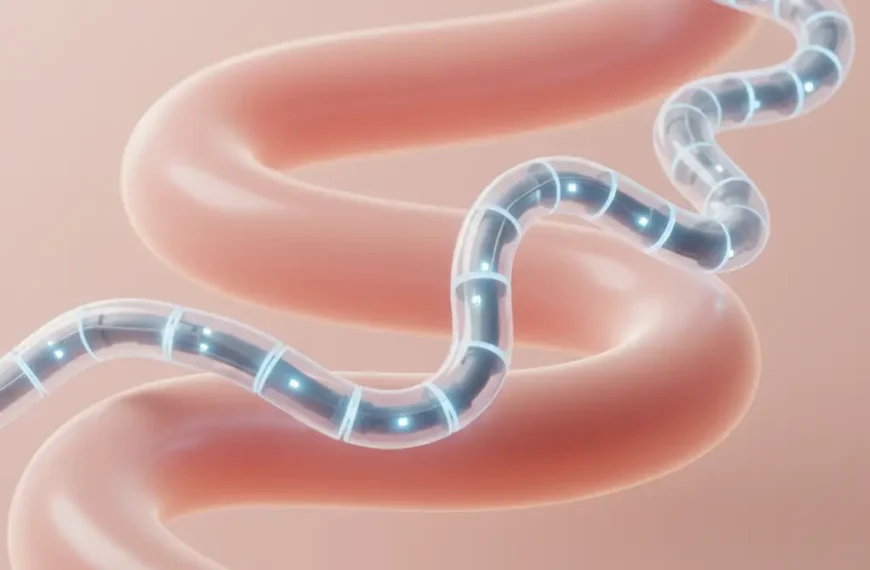
Consider a soft robotic patch placed over a damaged organ. This patch could gently massage the healing tissue, release anti-inflammatory drugs locally, and monitor its own integration with the body via embedded sensors.
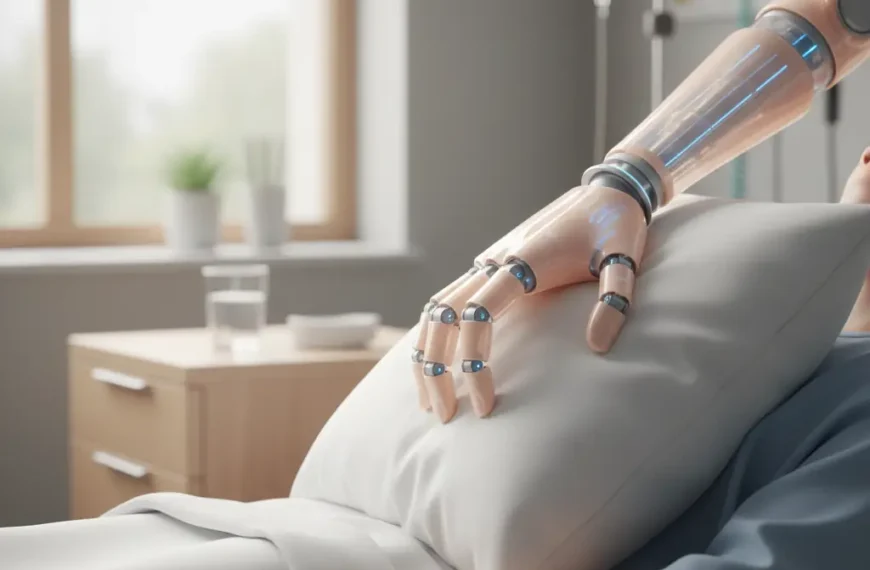
This represents a paradigm shift from passive implants to active, dynamic therapeutic devices that constantly interact with and guide the body’s natural healing processes.
Tips for Future Development
- Biocompatibility First: All materials must be rigorously tested to ensure they are safe and non-toxic for long-term use within the human body.
- Degradability: For many applications, the scaffold should be designed to gradually dissolve as the new tissue grows, leaving no foreign material behind.
- Wireless Power: Developing miniature, wireless power sources for active scaffolds to enable long-term operation without invasive cables.
—
🌟 The Future: Personalized and Dynamic Healing
Active tissue scaffolds, born from soft robotics, are revolutionizing regenerative medicine. They promise a future where damaged body parts can be rebuilt with greater precision, strength, and functionality than ever before.
This synergy between engineering and biology moves us toward personalized medicine, where implants don’t just fill a void but actively participate in the intricate dance of regeneration, restoring health and improving lives with a gentle, intelligent touch.
 By
By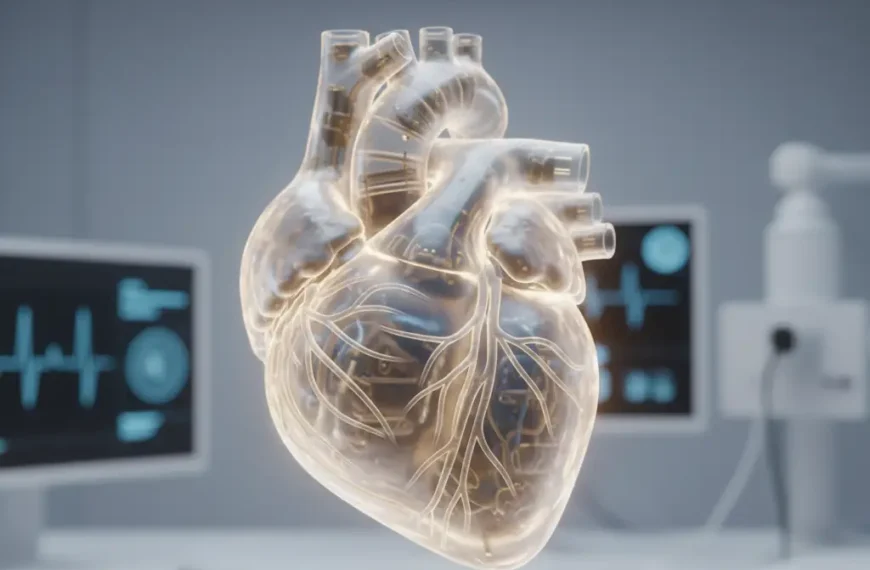
 🍯 Adult Dating. Let's Go > yandex.com/poll/LZW8GPQdJg3xe5C7gt95bD?hs=3c14ff1102e472b0f57148587ac1ec6f& Notification № 7785 🍯 says: