
🩹 Stepping Beyond the Band-Aid: The Rise of Soft Therapeutics
For centuries, medicine has relied on two basic methods: pills and injections. Both involve systemic delivery, meaning the drug travels throughout the entire body, often causing side effects before reaching the target area. That’s changing rapidly with the introduction of on-skin therapeutics.
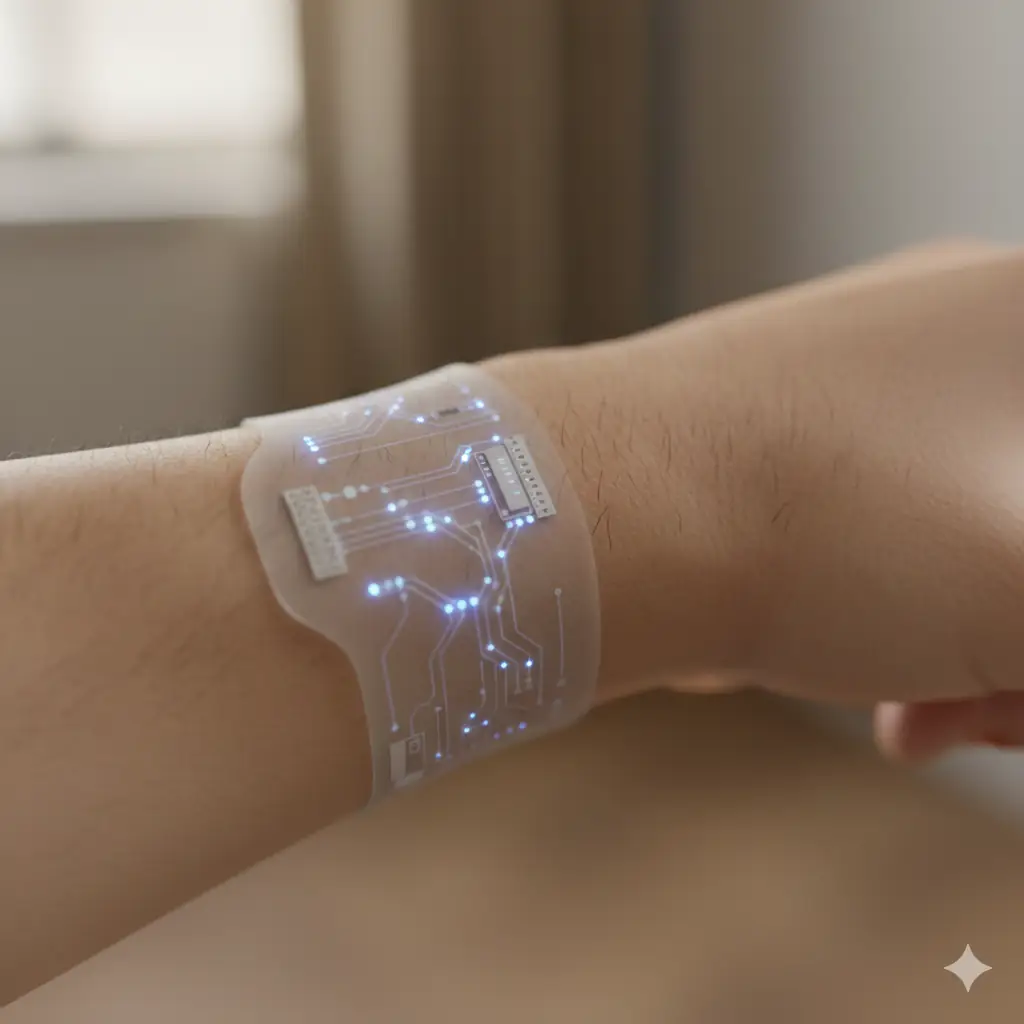
Imagine a smart, flexible patch that adheres to your skin and acts as a localized, intelligent pharmacy, detecting what your body needs and delivering medication exactly where and when it’s required. This is the promise of soft robotic patches.
These aren’t just fancy bandages; they are sophisticated medical devices blending flexible electronics, microfluidics, and advanced materials to create a new paradigm for treatment.
What Makes Them ‘Soft’ and ‘Robotic’?
The Soft Side: Wearable Comfort
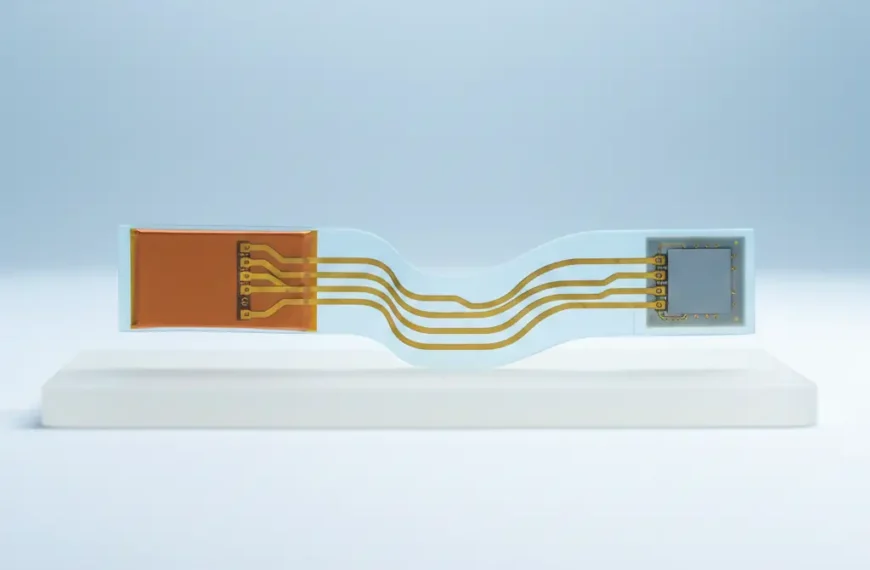
The ‘soft’ component is crucial. Unlike rigid devices, these patches are made from flexible, biocompatible polymers like silicone or hydrogels. They are designed to conform perfectly to the dynamic, uneven landscape of the human body, moving naturally with the skin during activity.
This ensures maximum comfort, long-term adhesion, and excellent contact for sensing and delivery. A stiff device would easily detach or cause irritation, rendering the whole system useless for continuous treatment.
The Robotic Side: Intelligent Function
The ‘robotic’ aspect refers to the patch’s capacity for active, controlled function—sensing, processing, and actuating (moving or releasing a drug) without constant external input. They are autonomous, miniature systems.
They often include tiny, integrated sensors to monitor local biomarkers, such as temperature, pH levels, or inflammation markers, allowing the treatment to be precisely tailored to the body’s real-time needs.
The Core Mechanism: How They Deliver Drugs
The main challenge in on-skin delivery is crossing the skin barrier, the body’s natural defense against external agents. Soft robotic patches employ various ingenious methods to overcome this.
1. Microfluidic Pumping
Many patches use internal microfluidic channels—tiny pathways etched into the polymer layers—to store and transport liquid drugs. A soft, integrated pump (often pneumatically or thermally driven) pushes the drug from a reservoir through the channels.
This allows for controlled, scheduled delivery doses, far more precise than traditional passive transdermal patches (like nicotine patches) that release medication at a fixed, unchanging rate.
2. Microneedles and Beyond
To bypass the skin barrier entirely, some soft patches incorporate arrays of microscopic needles. These needles are so small that they penetrate the outermost layer of skin without hitting pain receptors, leading to a painless delivery.
These microneedles can dissolve upon insertion, releasing the drug directly into the capillary network, or they can be used as conduits for the microfluidic pumps to inject medication beneath the surface.
- Detection: Integrated sensor detects a change in a local biomarker (e.g., increased temperature or specific chemical).
- Signal Processing: The control unit processes the signal and determines if a dose is necessary based on programmed parameters.
- Actuation: A soft pump (thermal, pneumatic, or electrochemical) is activated.
- Delivery: The pump forces a precise volume of drug from the reservoir through the microchannels.
- Target Release: The drug is released either directly onto the skin (for surface conditions) or beneath it via microneedles for systemic uptake.
Targeted Treatment and Key Applications
The ability to localize treatment is the main game-changer for soft robotic patches. Instead of a drug affecting the liver or kidneys while trying to treat a joint, the treatment is focused on the problem area.
Chronic Disease Management
A prime example is diabetes. A soft patch could continuously monitor glucose levels and automatically deliver tiny, precise doses of insulin using microneedles, offering a gentler, less invasive alternative to bulky pumps and frequent finger sticks.
For rheumatoid arthritis, a patch placed over an inflamed joint could sense the localized heat and inflammatory chemicals, and then release a potent anti-inflammatory agent directly into the joint area, minimizing systemic exposure.
Key Advantages Summarized
| Feature | Benefit |
|---|---|
| Localization | Minimizes systemic side effects; higher drug concentration at the target. |
| Patient Comfort | Flexible, wearable design allows continuous, pain-free use. |
| Precision Dosing | Active pumps enable customized, on-demand drug release. |
| Compliance | Automated delivery improves patient adherence to complex dosing schedules. |
💡 Tips for Understanding the Technology
As this field matures, the terminology and technology can seem complex. Here are a few tips to help you keep up with the latest advancements.
Tips for the Curious Learner
- Focus on the Actuator: When reading about new patches, look for the ‘actuation mechanism’ (e.g., thermal expansion, magnetic activation). This is the key to how they control the drug release.
- Distinguish Active vs. Passive: Remember that traditional nicotine or birth control patches are passive (fixed rate). Soft robotic patches are active (variable, on-demand rate), which is the primary innovation.
- Look for Biocompatibility: The materials used in these patches must be non-toxic and non-irritating for long-term wear. Research often centers around improving the flexibility and stability of these specialized polymers.
A Healthier, Smarter Future
The development of soft robotic patches represents a true shift toward personalized medicine. By integrating advanced sensors and controlled delivery systems into a comfortable, compliant wearable, we are creating medical devices that truly understand and respond to the patient’s body.
This technology promises a future where receiving treatment is as simple and non-intrusive as wearing a small patch. It’s about making healthcare smarter, gentler, and ultimately, much more effective.
 By
By