
🩹 Damage Control: The Durability Dilemma
Soft robots are designed to be compliant, meaning they can bend, deform, and squeeze into tight spots. While this flexibility is a huge advantage, it also creates a significant vulnerability: durability. Soft materials, like silicone elastomers, are susceptible to tears, punctures, and micro-cracks over repeated use.
A simple tear in a pneumatic channel, for example, can lead to air leaks and complete failure of the robot’s movement. In demanding environments like search and rescue or deep-sea exploration, quick failure is unacceptable.
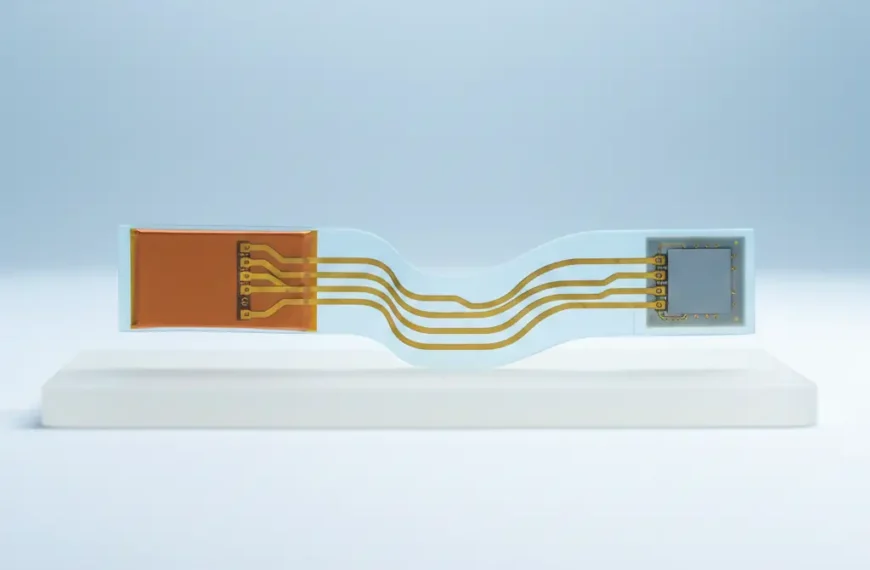
This challenge is pushing researchers toward the ultimate solution: self-healing materials. The goal is to create soft robots that can autonomously repair damage, much like living skin.
—
regenerating 🌿 Nature’s Blueprint for Repair
In nature, biological organisms constantly repair themselves, from healing a scraped knee to regenerating a severed limb. This ability to automatically restore structure and function is what soft robotics seeks to replicate in materials.
Self-healing polymers are a class of smart materials designed to initiate a repair mechanism upon being damaged. The material must detect the crack and deploy a healing agent, all without human intervention.
Integrating this capability into soft robots is the next frontier, promising machines that are fundamentally more resilient and require far less maintenance in the field.
How Self-Healing Works in Soft Polymers
There are generally two major approaches to creating self-healing soft materials:
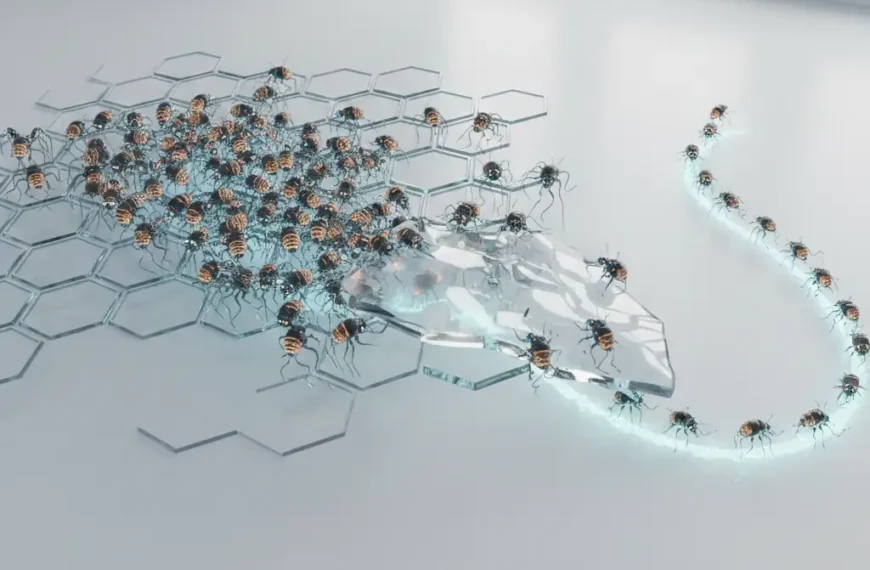
- Capsule-Based Healing: The soft material contains millions of microcapsules filled with a liquid healing agent. When a crack forms, the capsules rupture, releasing the liquid. This liquid then reacts with a catalyst embedded in the surrounding polymer, quickly bonding the damaged surfaces together.
- Intrinsic Healing: The material itself is engineered with dynamic chemical bonds (like hydrogen bonds or disulfide bonds) that can break and spontaneously reform when the two damaged surfaces are brought back into contact, often with the addition of slight heat or pressure.
The goal of both methods is to restore the material’s mechanical integrity and prevent the minor damage from leading to catastrophic structural failure.
—
🛡️ Enhancing Durability for Soft Systems
For soft robots, self-healing properties are not a luxury; they are critical for practical deployment. Durability directly impacts the operational lifespan and reliability of these complex machines, particularly in long-term tasks.
Imagine a soft robotic fish monitoring pollution in the ocean. If it brushes against a sharp piece of debris, a minor puncture could flood its actuator chambers, ending its mission. Self-healing skin allows it to mend the puncture on the spot and continue its work.
This capability dramatically reduces the downtime associated with maintenance and repair, increasing the autonomy of the soft robot in hazardous or inaccessible locations.
A key trade-off in self-healing research is the balance between healing speed and the strength of the recovered material. Ideally, the repair should be immediate and restore 100% of the original strength, but often, faster healing leads to a weaker bond, and stronger bonds take longer to fully set.
—
🌐 Applications: Where Resilience Matters Most
Self-healing soft robots will unlock applications in areas previously considered too harsh or too remote for compliant machines.
Long-Term Exploration
Robots exploring rough surfaces, like the Martian terrain or volcanic vents, need extreme resilience. A soft rover could absorb impact, tear slightly, and then autonomously repair itself before moving on, guaranteeing mission continuity.
Wearable Robotics and Prosthetics
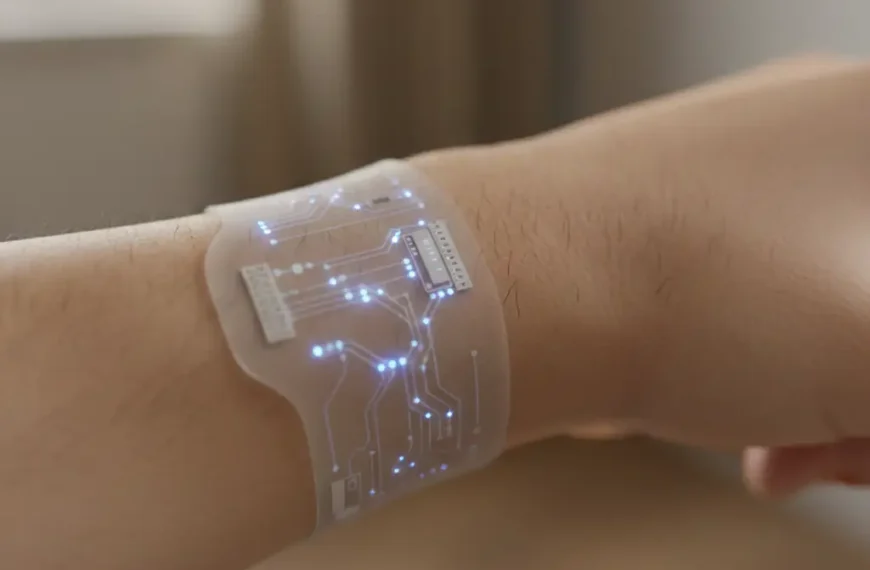
Soft exosuits and prosthetic hands are subject to daily wear and tear, rubbing, and accidental cuts. Self-healing materials would significantly extend their lifespan and maintain the integrity of embedded sensors and actuators, improving reliability for the user.
A self-healing prosthetic hand could instantly mend a tiny cut to the finger, preventing fluid loss or damage to its delicate internal wiring.
Industrial and Collaborative Robots
In a factory setting, micro-abrasions from handling rough materials can degrade a soft gripper’s performance over time. A self-healing gripper could maintain its pristine surface condition, ensuring consistent, high-quality performance over millions of cycles.
—
🔬 The Science of Restoration: Advanced Material Design
The development of these materials is an intense area of chemical engineering. Scientists are focused on creating elastomers that are not only flexible and biocompatible but also embedded with complex, reliable healing chemistries.
One promising frontier is the use of dynamic, reversible covalent bonds that can be broken and reformed using targeted external stimuli, such as ultraviolet (UV) light or low heat, allowing for ‘controlled’ healing in the field.
This ability to engineer materials to sense their own damage and initiate their own repair is bringing robotics closer to the profound biological resilience found in the living world.
✨ The Future: Lifelike Durability
The integration of self-healing materials promises to move soft robots from fragile laboratory prototypes to durable, autonomous field agents. They will become truly lifelike in their ability to absorb punishment and bounce back, ensuring mission success.
The soft robot of tomorrow won’t just move with the elegance of a fish or an octopus; it will have the resilience to mend its own wounds, making the entire field of compliant technology more reliable and deployable than ever before.
 By
By