
🚶♀️ The Road to Recovery: Challenges for Stroke Patients
A stroke can be a life-altering event, often leaving individuals with persistent physical disabilities. Regaining movement, strength, and coordination—especially in the arms and legs—is a cornerstone of recovery, requiring intensive and repetitive therapy.
Traditional rehabilitation often involves therapists manually assisting patients through exercises, or using rigid, bulky robotic systems. While effective, these methods can be labor-intensive, costly, and sometimes uncomfortable for the patient.
This is where soft robotic exosuits are stepping in, offering a gentler, more comfortable, and personalized approach to neurorehabilitation. They’re reimagining how stroke patients can regain independence.
—
🦾 Beyond Rigid Machines: The Soft Exosuit Advantage
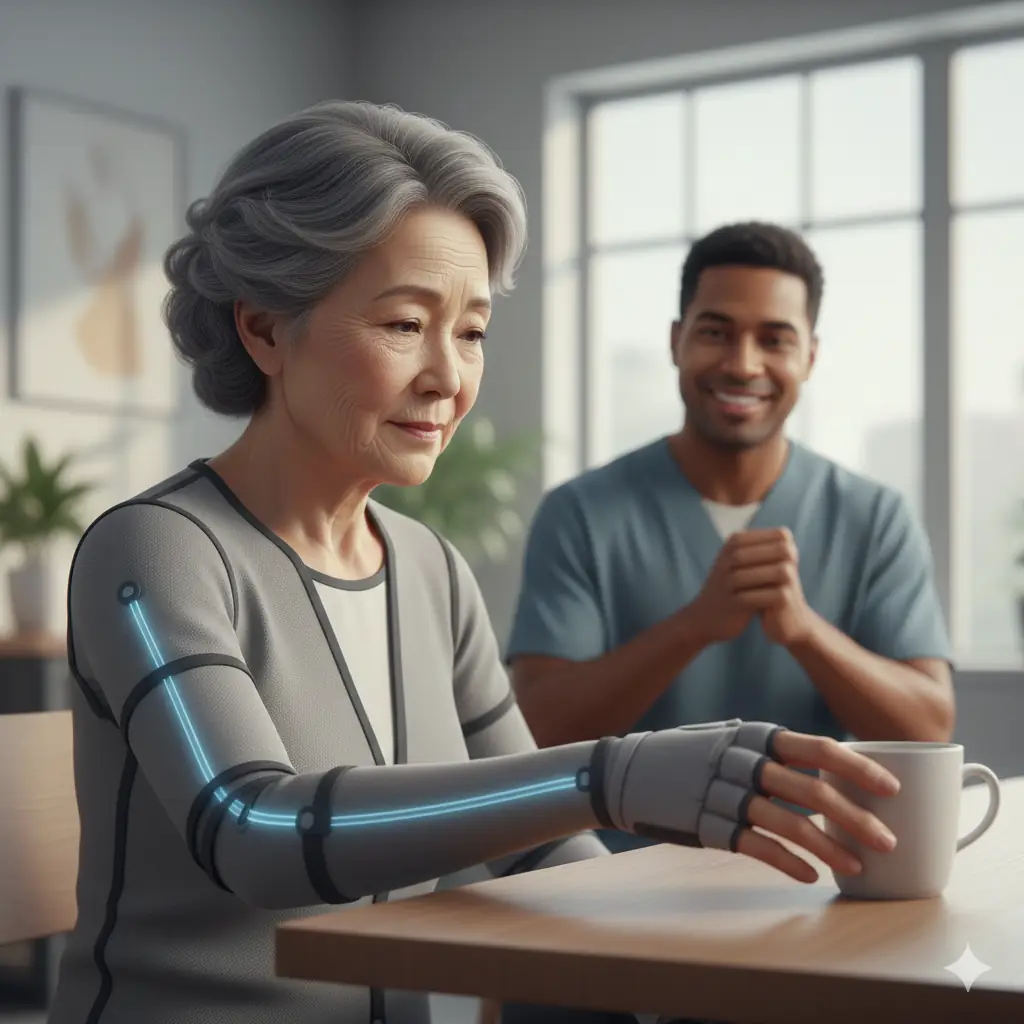
Imagine wearing a robotic suit that feels more like clothing than a clunky machine. That’s the core concept behind soft exosuits, a revolutionary application of soft robotics designed for seamless integration with the human body.
Unlike traditional rigid exoskeletons, which use stiff frames and powerful motors to move limbs, soft exosuits are made from flexible fabrics and lightweight, compliant actuators. These materials conform to the body, providing support without restricting natural movement.
The key advantage is patient comfort and natural interaction. A rigid frame can feel cumbersome and unnatural, whereas a soft exosuit moves with the body, assisting rather than forcing.
How Soft Exosuits Work
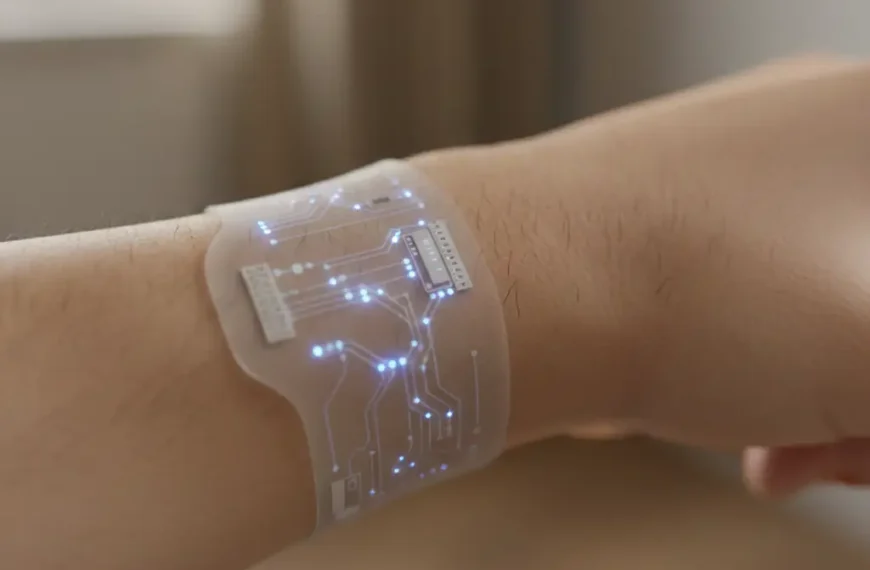
Soft exosuits typically incorporate small, powerful actuators—often pneumatic (air-powered) ‘artificial muscles’ or electroactive polymers—embedded within a textile-based garment. These actuators are strategically placed around joints, such as the elbow or knee.
When activated, they gently contract or expand, applying assistive forces that help move the limb. This mimics the action of natural muscles and tendons, guiding the patient’s movements without rigid constraints.
Sensors within the suit continuously monitor the patient’s intended movements and muscle activity, allowing the exosuit to provide assistance only when needed, and at the appropriate level of support.
—
🎯 Targeted Assistance: Personalized & Precise
Every stroke patient’s recovery journey is unique, with varying degrees of impairment and specific rehabilitation needs. Soft robotic exosuits are designed to provide highly personalized assistance, adapting to each individual’s progress.
The embedded sensors and intelligent control algorithms (often leveraging AI/ML) can detect when a patient is struggling with a movement. The exosuit then provides just enough assistance to help complete the motion, promoting active participation rather than passive movement.
This ‘assist-as-needed’ approach is crucial for neurorehabilitation, as it encourages the brain to relearn motor skills. It’s like having a physical therapist constantly providing subtle, precise guidance.
Examples in Action
Consider a patient with weakness in their arm after a stroke. A soft exosuit on their arm could gently assist with lifting a cup or extending their arm to reach for an object. The suit only activates when the patient initiates the movement, reinforcing the neural pathways for that action.
For leg weakness, an exosuit could help lift the foot during walking (preventing ‘foot drop’) or provide support during the swing phase of a stride. This enables longer, more consistent practice, which is vital for recovery.
—
🏡 Bridging the Gap: Clinic to Home
One of the most significant challenges in stroke rehabilitation is the limited amount of therapy patients receive in clinical settings. Recovery often requires consistent, long-term practice, which is hard to maintain outside the clinic.
Soft robotic exosuits, being lightweight and comfortable, offer the potential for continuous therapy at home. Patients could wear these suits during daily activities, transforming routine movements into therapeutic exercises.
This extended, integrated therapy could dramatically accelerate recovery and improve long-term functional outcomes, making rehabilitation a part of everyday life rather than a limited clinical intervention.
—
🌟 The Benefits: Comfort, Compliance, and Confidence
The advantages of soft robotic exosuits over traditional methods are manifold, focusing on patient experience and therapeutic effectiveness.
- Increased Comfort: Made from textiles, they are less restrictive and more breathable than rigid frames, encouraging longer use.
- Natural Movement: They support and assist, allowing for more natural, fluid motion, which is crucial for motor relearning.
- Personalized Assistance: Adaptive control systems provide tailored support, promoting active participation and maximizing therapeutic benefit.
- Reduced Bulk: Their lightweight and low-profile design make them easier to wear under clothing and integrate into daily life.
- Enhanced Safety: The compliant nature of the materials reduces the risk of injury during unexpected movements or spasms.
—
🚀 The Future of Flexible Therapy
Soft robotic exosuits are still a relatively young field, but their potential to revolutionize stroke rehabilitation is immense. Researchers are continually working on making them lighter, more powerful, and even more intuitive.
Advancements in material science, miniaturized actuators, and artificial intelligence will lead to exosuits that are virtually invisible, effortlessly assisting patients as they navigate their world.
Ultimately, these flexible, comfortable robotic garments offer more than just physical support. They offer hope, dignity, and a tangible path towards regaining independence for countless individuals recovering from stroke. It’s truly rehabilitation reimagined.
 By
By