
🦿 The Evolution of Artificial Limbs
For decades, prosthetic limbs have relied on rigid materials and complex mechanical linkages to replicate human function. While functional, these devices often feel heavy, unnatural, and lack the subtle compliance of biological limbs.
The interface between the rigid prosthetic and the human residual limb can also be a source of discomfort and skin issues. Traditional prosthetics rarely achieve the seamless integration and natural movement found in the body.
This is where the principles of soft robotics are stepping in, promising to bridge the gap between mechanical utility and biological elegance, resulting in the next generation of gentle prosthetics.
—
🖐️ Beyond Metal: Building a Compliant Hand
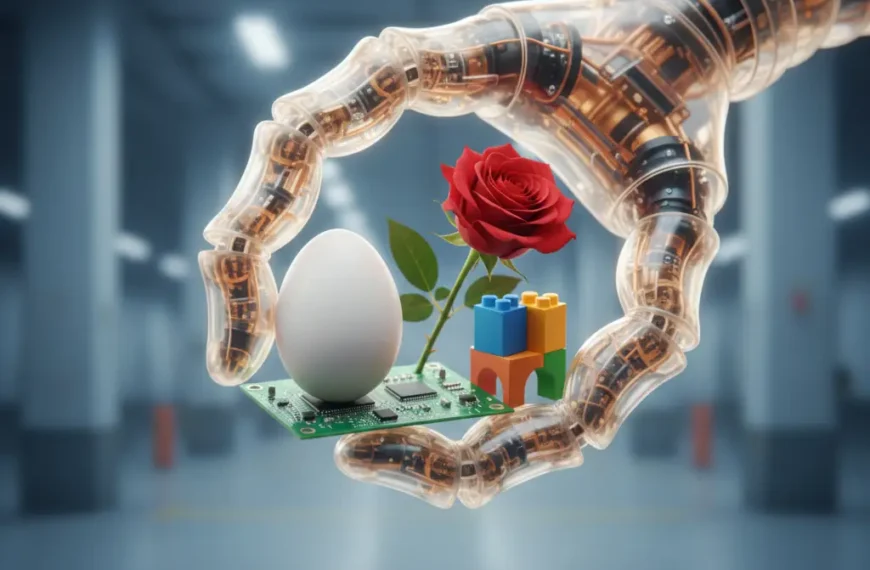
The human hand is a masterpiece of compliant mechanics, capable of both delicate manipulation and powerful gripping. Its flexibility, driven by tendons and muscles, allows it to conform to objects of any shape, minimizing pressure points.
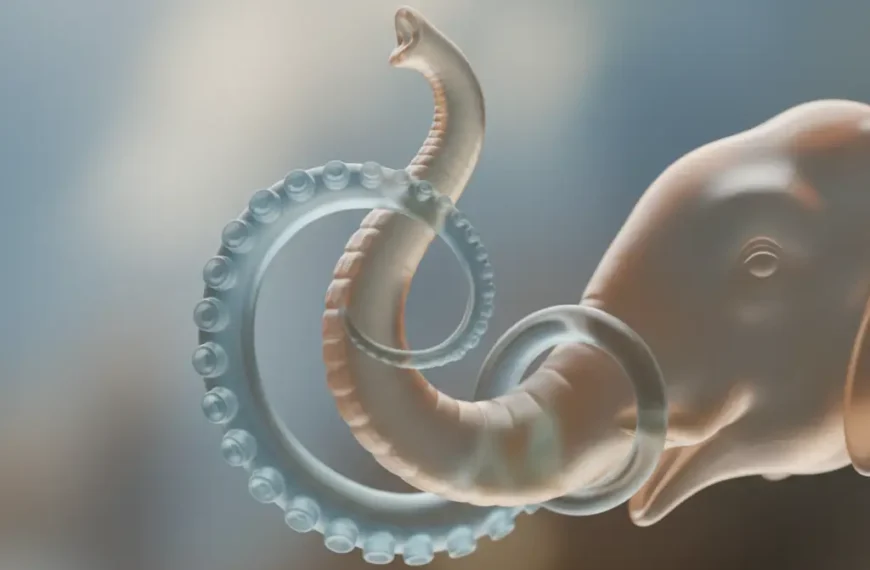
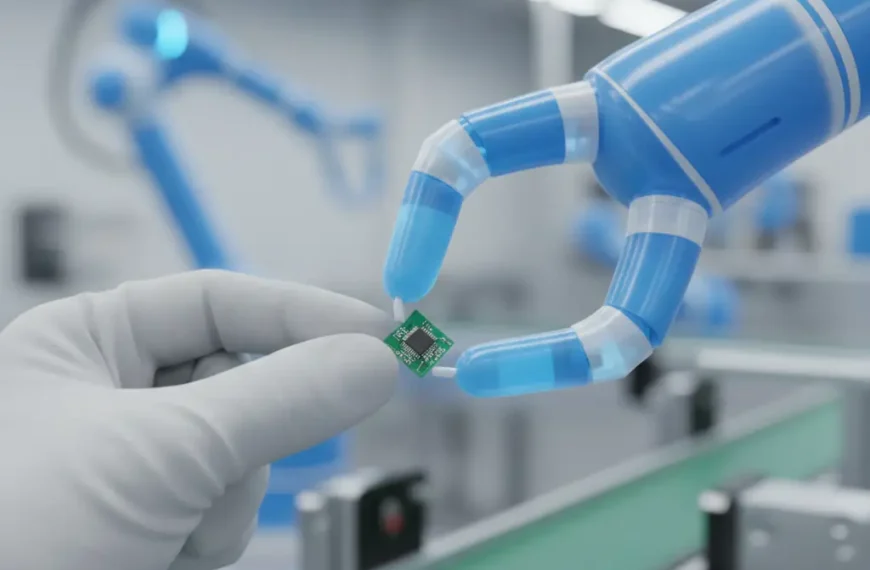
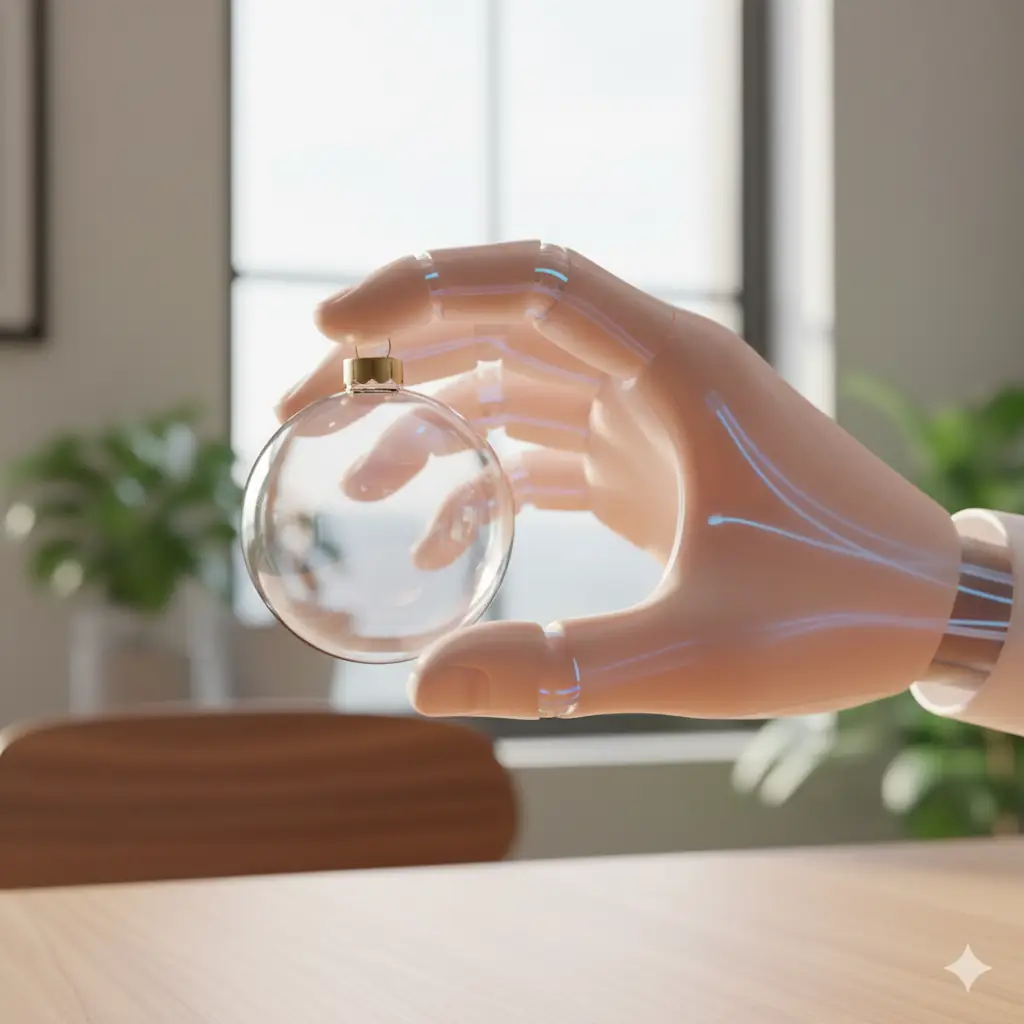
Soft robotic hands mimic this biological compliance by utilizing flexible, elastic materials like silicone elastomers in their structure. Instead of rigid finger joints, soft prosthetics often employ fluidic actuators that allow for continuous, distributed bending.
This means a soft prosthetic hand can gently wrap around an irregularly shaped object—like a mug handle or a crumbled paper bag—without the need for complex, precise sensor mapping. The material itself provides the initial adaptability.
Actuation That Feels Natural
Soft prosthetics often utilize pneumatic (air) or hydraulic (fluid) actuation, moving away from loud, heavy electric motors. These fluidic systems generate smooth, silent, and muscle-like contraction and relaxation.
This motorless movement contributes to the prosthetic’s overall lifelike appearance and operation. It allows the limb to move with a fluid grace that rigid, gear-driven systems struggle to replicate.
—
🧠 Neural Integration and Haptic Feedback
Functionality isn’t just about moving the fingers; it’s about the feedback loop with the brain. A key goal of soft prosthetics is to make the user feel as if the artificial limb is a true extension of their body.
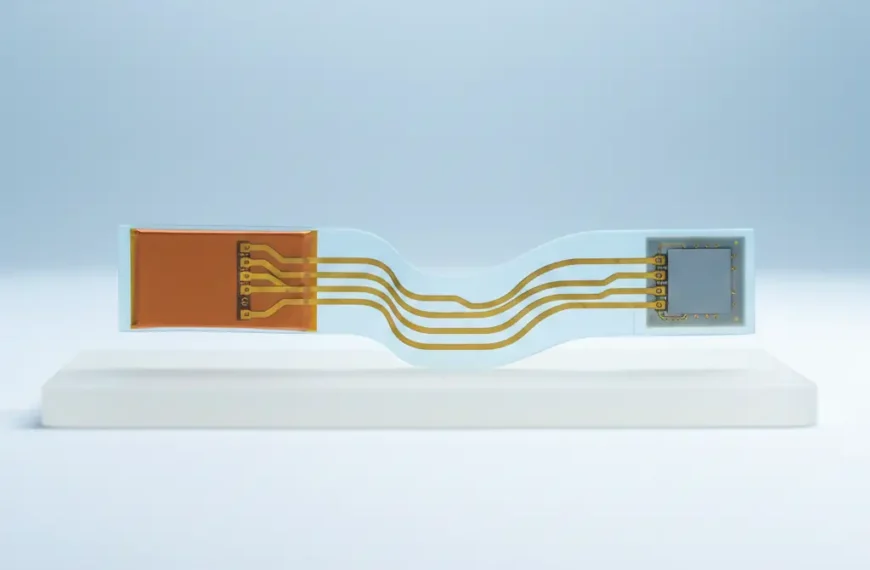
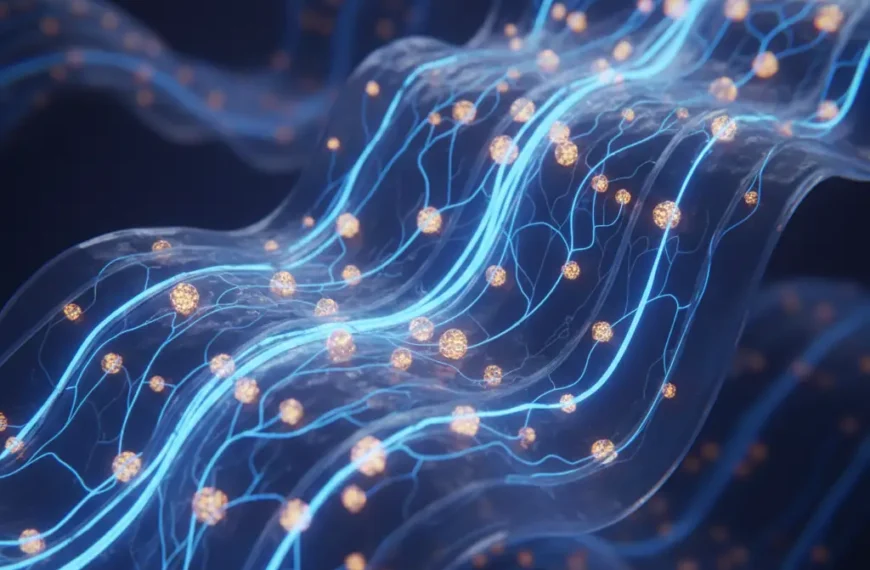
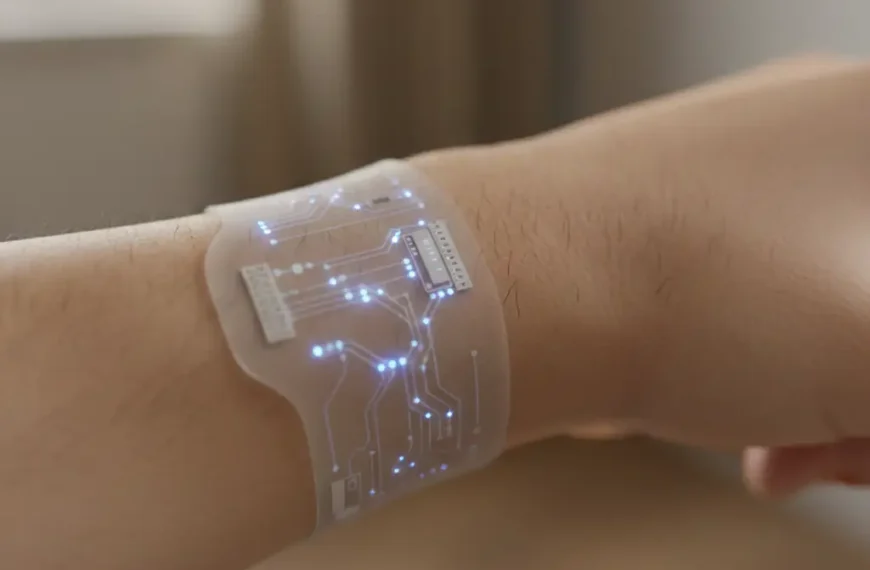
Soft prosthetics integrate advanced sensors—often compliant strain gauges embedded directly in the silicone skin—to measure pressure, temperature, and grip force. This sensory data is then transmitted back to the wearer.
This process, known as haptic feedback, can be achieved through small vibrators or pressure pads on the residual limb, allowing the user to ‘feel’ the texture and force of the grip. This dramatically improves control and confidence.
The socket, where the prosthetic meets the body, is vital. Soft robotics principles are used here to create highly compliant, custom-fit sockets. These soft interfaces reduce friction, distribute pressure evenly, and minimize skin irritation, directly addressing one of the biggest complaints from traditional prosthetic users.
—
🔄 Adaptive Movement and Energy Efficiency
Another major advantage of soft prosthetics is their enhanced energy efficiency and adaptive movement, which contribute to a more seamless daily experience.
Energy Savings Through Compliance
Soft systems often require less energy than their rigid counterparts because they leverage their material properties for movement. They don’t have to constantly power precise, heavy joints against environmental resistance.
This lower power requirement means smaller batteries, lighter prosthetics, and longer operating times, making the device much more practical for all-day use by the wearer.
Adaptive Grasping
The hands are often pre-programmed with common grasp patterns (e.g., pinch, power grip). A soft prosthetic hand can use a simple control signal to initiate a grasp, and its compliant fingers will automatically adapt to the specific object encountered.
For example, if the user signals a pinch, the soft fingers will naturally conform to a credit card, a key, or a coin without needing complex computer vision to tell the robot what shape it is holding.
—
🌟 The Future is Soft and Seamless
Soft robotics is driving prosthetics toward a future where the artificial limb is not just a tool but an integrated extension of the body. This involves further miniaturizing actuators and improving neural interfaces.
Key Development Goals
- Non-Invasive Control: Improving electromyography (EMG) sensors to read muscle signals from the residual limb more cleanly for intuitive control.
- Self-Healing Materials: Developing soft skins that can repair minor damage to improve durability and longevity.
- Integrated Sensing: Creating prosthetics where the sensors are so integrated that the user receives detailed tactile feedback, approaching natural sensation.
By prioritizing compliance, comfort, and lifelike interaction, soft robotics is delivering on the promise of truly gentle, functional, and deeply personal assistive technology for those who need it most. It is changing lives with every soft grasp.
 By
By
 🩸 Adult Dating. Go > yandex.com/poll/LZW8GPQdJg3xe5C7gt95bD?hs=36117bb9f961d8a5e4a84edca33ca13d& Notification № 9596 🩸 says: