
🔩 From Steel to Silicone: A Material Shift
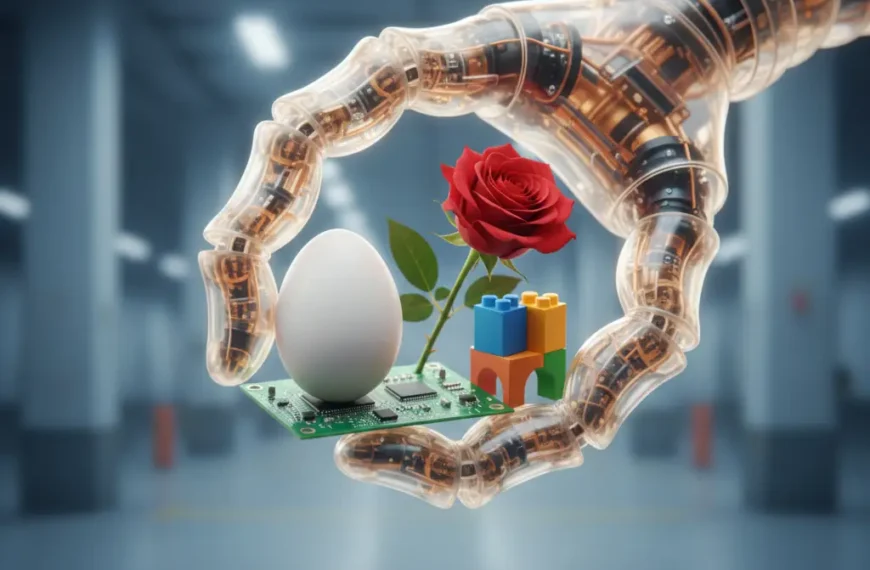
When you picture a robot, chances are you imagine something shiny, metallic, and rigid. For decades, the backbone of robotics has been strong, unyielding materials like steel, aluminum, and hard plastics, perfectly suited for precise, high-force tasks in controlled environments.
However, the emerging field of soft robotics is ushering in a dramatic material revolution. It’s moving us ‘beyond metal’ to explore a fascinating world of flexible, squishy, and even self-healing substances.
This shift isn’t just about aesthetics; it’s fundamental to how these new robots behave, interact, and integrate into our lives. The choice of material defines their very capabilities.
—
🧪 The Core of Softness: Elastomers
At the heart of most soft robots are elastomers. These are polymers with viscoelasticity, meaning they have both viscosity (fluid-like properties) and elasticity (spring-like properties). Think of a rubber band – it stretches and then returns to its original shape.
Elastomers can undergo significant deformation and then return to their original form without permanent damage. This property is crucial for soft robots, allowing them to bend, twist, and conform to their surroundings without breaking.
Silicones: The Workhorse of Soft Robotics
Among elastomers, silicones are arguably the most widely used material in soft robotics today. They are synthetic polymers known for their incredible flexibility, durability, and inertness.
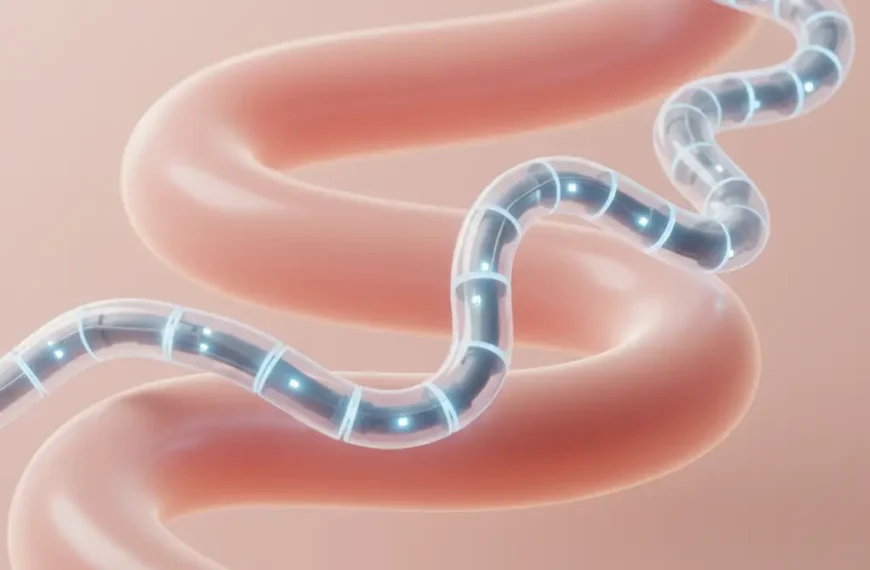
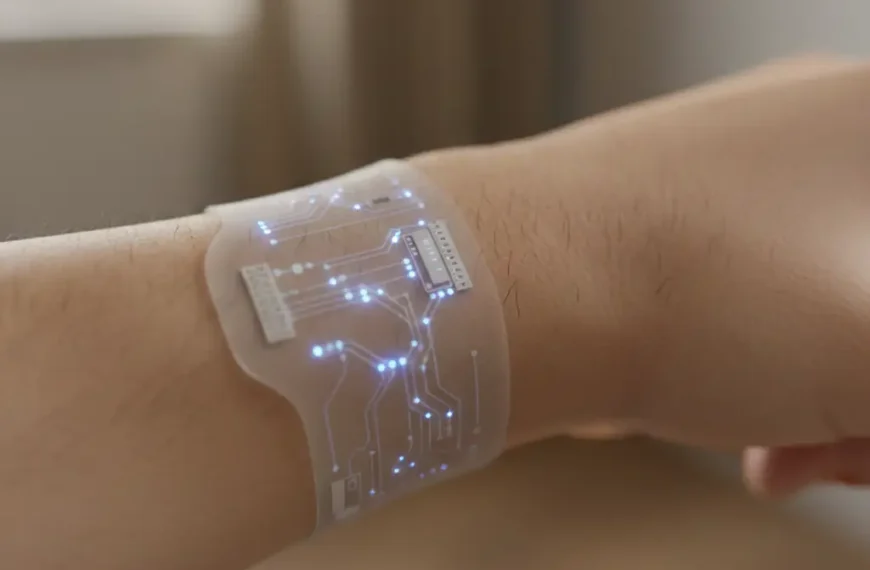
Silicones can be molded into intricate shapes, allowing for complex internal channels and chambers used in pneumatic or hydraulic actuation. They’re also biocompatible, making them ideal for medical applications like soft endoscopes or wearable exoskeletons.
Their stability across a wide temperature range and resistance to UV light and chemicals further contribute to their widespread adoption in research and early commercial soft robots. They offer a reliable foundation for compliant designs.
—
💧 The World of Hydrogels: Soft, Wet, and Responsive
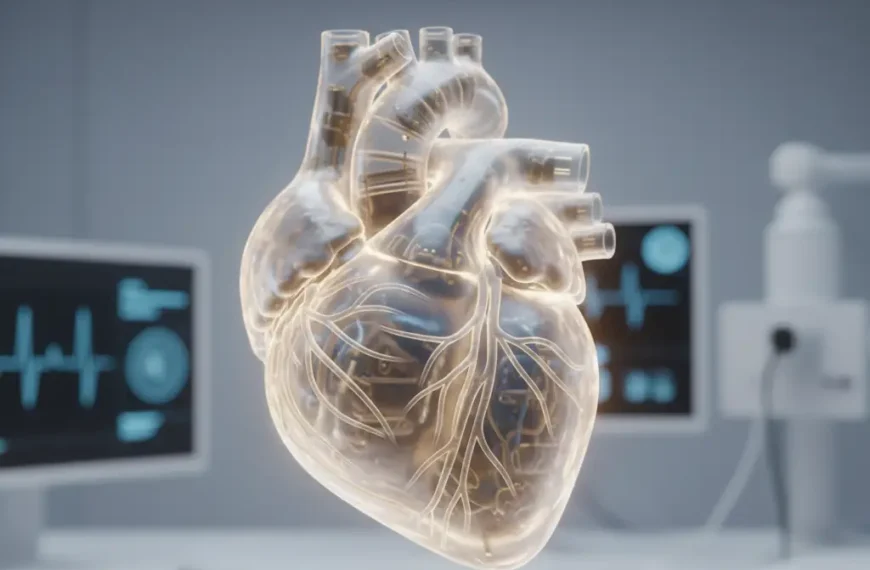
Moving into even softer territory, hydrogels are fascinating materials that resemble biological tissues. They are networks of polymer chains that can absorb vast amounts of water, swelling to many times their original size.
Think of contact lenses or superabsorbent diapers; both utilize hydrogel technology. In soft robotics, their high water content gives them a soft, compliant feel, much like human flesh or internal organs.
Mimicking Biological Systems
Hydrogels are especially exciting because they can be engineered to be responsive to various stimuli. They can change shape or stiffness in response to pH, temperature, or electrical fields, offering a form of intrinsic actuation and sensing.
This property makes them ideal for building bio-mimetic robots that can interact with biological systems, potentially leading to ‘wet’ robots that can swim through bodily fluids or interact with living cells.
The challenge with hydrogels often lies in their mechanical weakness compared to silicones, and the difficulty of controlling their swelling and shrinking precisely for robotic motion. However, ongoing research is rapidly improving their capabilities.
—
💡 Smart Polymers: Actuation from Within
Beyond passive flexibility, soft robotics is keenly interested in smart polymers, also known as stimuli-responsive polymers. These are materials that can change their shape, size, or stiffness in response to external cues, effectively acting as both material and actuator.
This means the robot’s movement isn’t just driven by external forces (like air pressure); the material itself can ‘move’ when triggered. This eliminates the need for bulky external motors or pumps, leading to truly untethered and compact soft robots.
Types of Smart Polymers
- Electroactive Polymers (EAPs): These change shape or size when an electric voltage is applied. They can act like artificial muscles, contracting and expanding.
- Shape Memory Polymers (SMPs): These materials can be programmed to remember a certain shape and return to it when heated (or exposed to other stimuli like light).
- Thermo-responsive Polymers: These change properties dramatically with temperature fluctuations, often used in conjunction with heating elements to induce movement.
The integration of smart polymers directly into the robot’s structure represents a holy grail for soft robotics, promising highly efficient, silent, and miniaturized systems.
—
🔬 Beyond the Basics: Composites and Hybrids
The materials revolution isn’t just about individual substances; it’s also about how they’re combined. Researchers are increasingly developing composite and hybrid materials that blend the best properties of different substances.
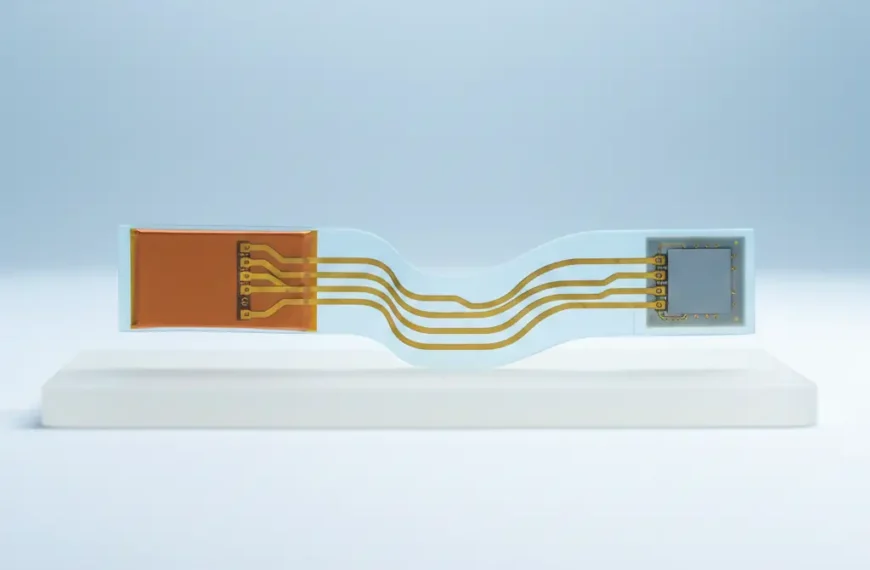
For example, a soft silicone body might be embedded with stiff fibers in certain areas to control its bending, or doped with electrically conductive particles to create integrated sensors.
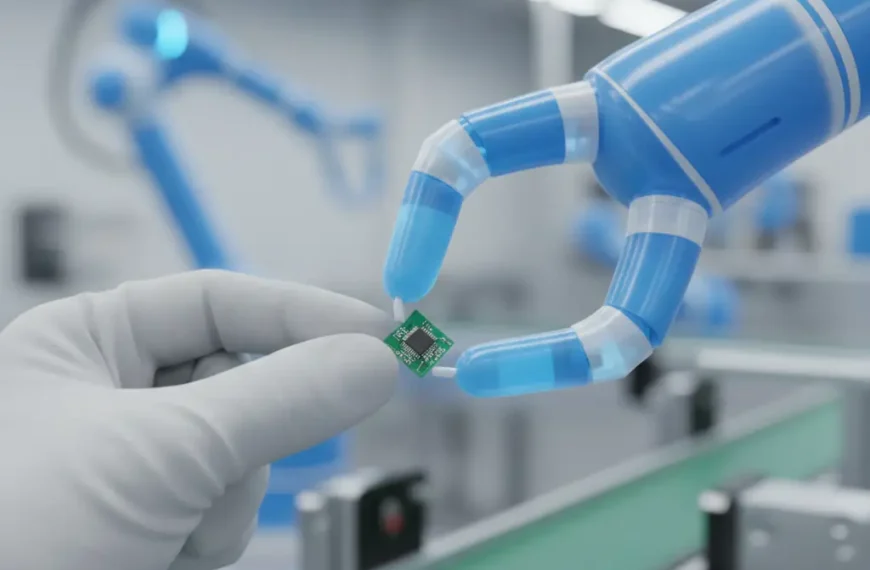
This allows for robots with ‘variable stiffness’—parts that can switch from soft to rigid on demand. Imagine a soft gripper that gently approaches an object, then stiffens momentarily to provide a firm, secure hold.
—
📊 Pros and Cons of Key Soft Robotics Materials
Each material family brings its unique strengths and weaknesses to the design table, influencing where and how they can be used effectively.
| Material | Pros | Cons |
|---|---|---|
| Silicones | High flexibility, durable, biocompatible, easy to mold. | Passive (needs external actuation), can be heavy. |
| Hydrogels | High bio-compatibility, soft like tissue, responsive to stimuli. | Mechanically weak, difficult to control swelling, drying out. |
| Smart Polymers | Active actuation (material moves itself), compact designs. | Often slow response, can require high power, limited strain. |
—
🌱 The Future is Materially Diverse
The materials revolution in soft robotics is far from over. New polymers, composites, and fabrication techniques are constantly being explored, pushing the boundaries of what these compliant machines can achieve.
The goal is to create robots that are not only soft and safe but also highly functional, durable, and energy-efficient. This involves finding materials that can self-heal, sense, and even process information, blurring the lines between robot and biological organism.
As we move ‘beyond metal,’ we are stepping into an exciting future where robots are no longer just machines, but adaptable, compliant partners crafted from a sophisticated palette of innovative materials.

 By
By