
👕 More Than Just a Gadget: Robots You Can Wear
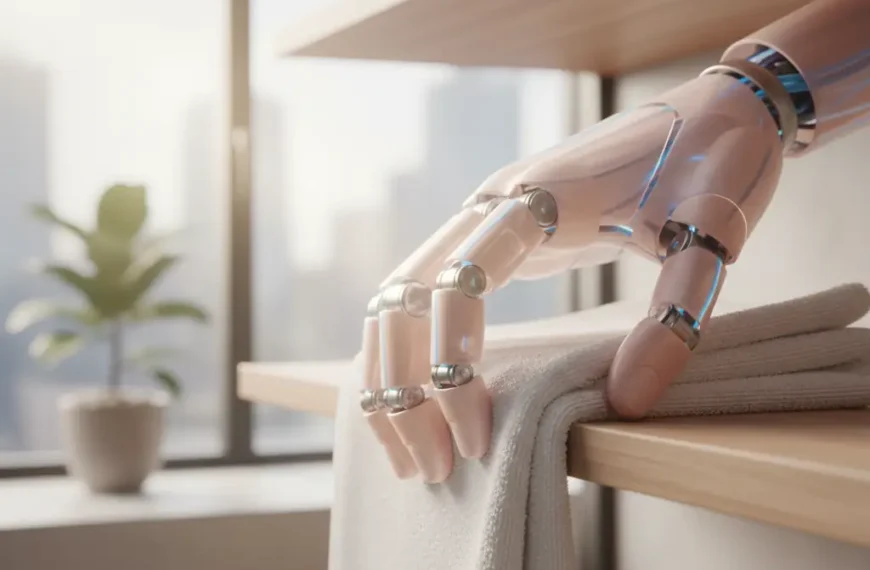
When you hear ‘robot,’ you might picture a clunky machine on an assembly line or a humanoid figure. But what if a robot could be as seamless and comfortable as your favorite shirt, enhancing your abilities or immersing you in a virtual world?
This is the promise of soft wearable technology, a rapidly evolving field where robotics moves beyond rigid, external machines and integrates directly with our bodies. These ‘robots you can wear’ are designed for intimate, continuous interaction.
The key to their success lies in their softness, compliance, and the ability to provide nuanced feedback directly to our skin, known as haptic feedback. It’s about making technology feel like an extension of ourselves.
—
🤝 The Fusion of Human and Machine: Why Softness Matters
Traditional rigid exoskeletons, while powerful, often feel like external cages, limiting natural movement and causing discomfort. Their stiffness also poses safety concerns during interaction with the human body.
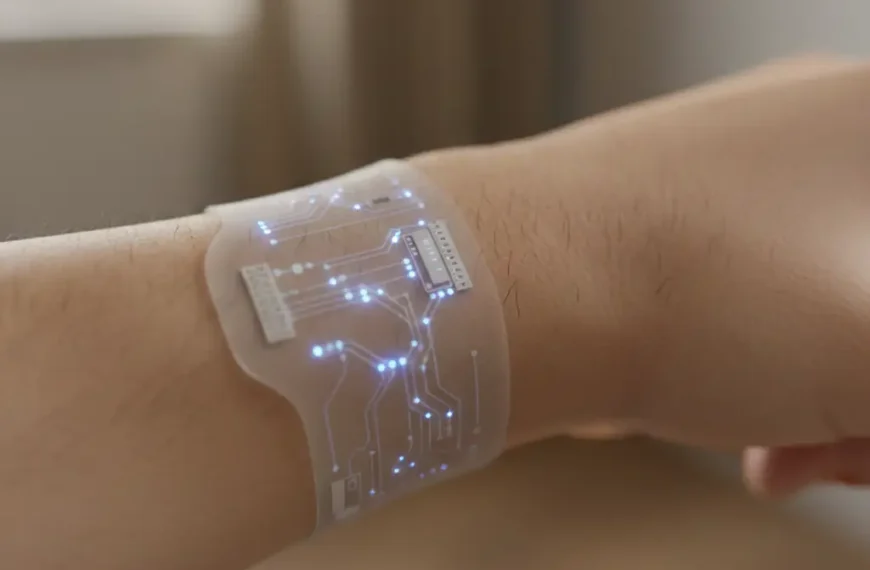
Soft wearable robots, by contrast, are made from flexible, stretchable materials like specialized fabrics, silicones, and elastic polymers. They conform to the body’s natural curves and movements, feeling more like advanced apparel than machinery.
This inherent compliance ensures safety, comfort, and allows for much more intuitive human-robot collaboration, whether assisting movement or delivering sensory information.
Wearable Robotics: Beyond the Exosuit
While often associated with exosuits for assisting movement (like the stroke rehabilitation suits we’ve discussed), soft wearable robots encompass a much broader range of applications. They can be subtle, almost invisible devices.
Imagine a smart glove that enhances your grip strength, or a vest that provides gentle navigational cues through vibrations. These are all examples of soft wearable technology designed to augment human capability or perception without bulk.
—
✋ Haptic Feedback: Feeling the Digital World
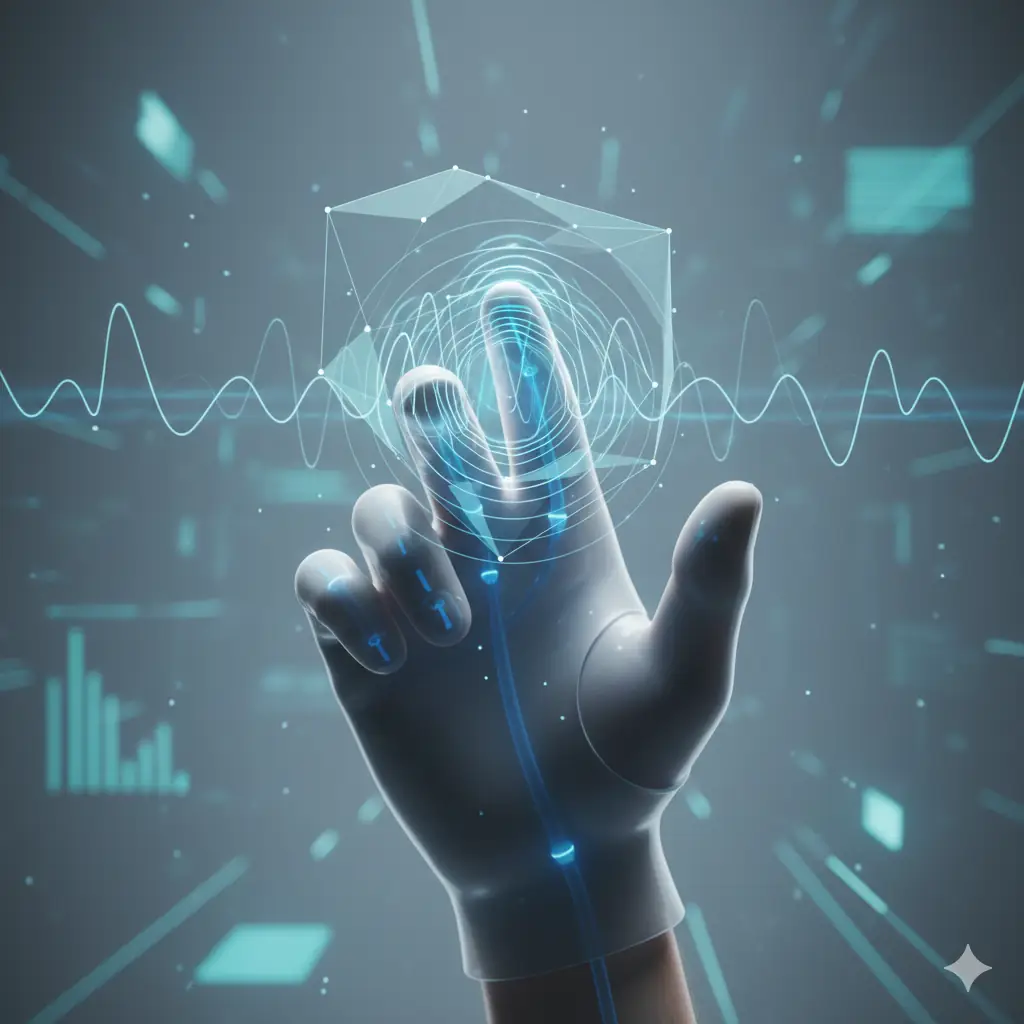
One of the most exciting capabilities of soft wearable robots is their ability to provide haptic feedback. ‘Haptic’ refers to the sense of touch, and haptic feedback technology simulates the feeling of physical interactions.
Think about the vibration in your phone when you receive a message. That’s a simple form of haptic feedback. Soft wearables take this to an entirely new level, generating sensations like pressure, texture, and even temperature directly on your skin.
This capability is crucial for creating truly immersive virtual and augmented reality experiences, as well as enhancing human-machine interfaces.
How Soft Haptics Work
Soft haptic devices often embed tiny, inflatable air bladders or electroactive polymer (EAP) actuators directly into flexible fabrics. By rapidly inflating/deflating or contracting/expanding these elements, precise pressure patterns can be generated.
For example, a soft glove designed for VR could create the sensation of touching a virtual object by selectively inflating tiny pockets on your fingertips. The pressure, stiffness, and even slight vibrations combine to create a realistic tactile illusion.
—
🎮 Immersion and Assistance: Key Applications
The synergy between soft wearables and haptic feedback is opening doors in several transformative areas.
Virtual and Augmented Reality
For VR/AR, soft haptic gloves and suits can dramatically enhance immersion. Imagine feeling the texture of a virtual rock, the recoil of a simulated weapon, or the gentle touch of a digital character. This adds a powerful layer of realism.
Example: A haptic glove could allow a surgeon in training to ‘feel’ the resistance of tissue during a virtual operation, providing invaluable practice without risk.
Rehabilitation and Assistive Devices
Beyond stroke rehab exosuits, soft wearables can provide ongoing physical therapy or daily assistance. A soft sleeve might provide gentle compression and vibration to reduce swelling or improve circulation.
Human-Computer Interaction
Soft haptic devices can provide intuitive feedback for remote control applications. A rescue worker operating a robot in a dangerous environment could ‘feel’ the robot’s interaction with obstacles, enhancing their sense of presence and control.
The integration of soft sensors is just as important as soft actuators. These flexible sensors detect body movements, pressure, and even temperature, providing the vital data that allows the wearable robot to react intelligently and provide appropriate feedback or assistance.
—
📉 Challenges and the Path Forward
While the potential is enormous, soft wearable technology faces challenges. Powering these flexible actuators efficiently, making them truly miniaturized and untethered, and ensuring long-term durability are key research areas.
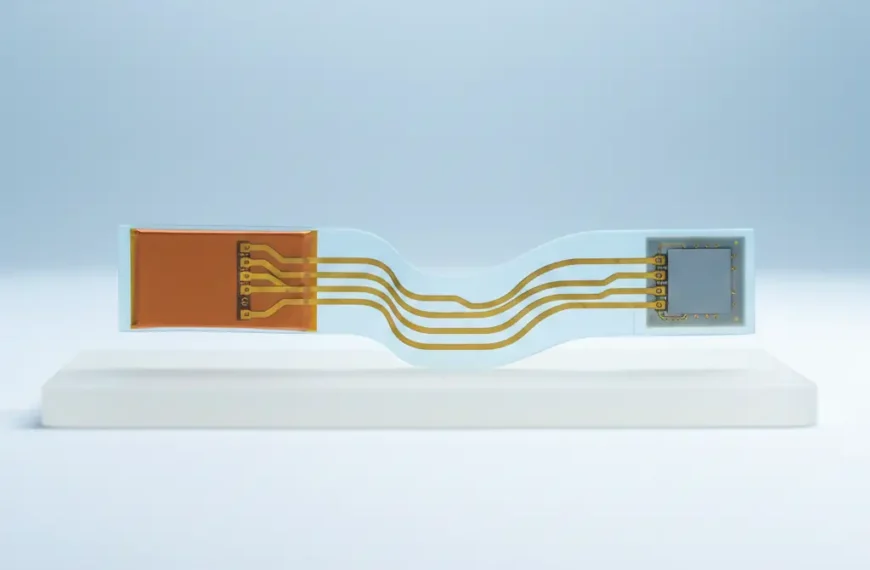
Integrating complex electronics seamlessly into soft, stretchable fabrics without compromising flexibility or comfort is also a significant hurdle. Researchers are exploring printed electronics and advanced composite materials.
Key Developments Needed
- Power Miniaturization: Developing flexible, high-capacity batteries that can be integrated into fabric.
- Wireless Control: Robust and low-latency wireless communication for seamless human-robot interaction.
- Advanced Materials: Creating smart textiles that can inherently sense, actuate, and potentially even self-heal.
—
🌟 The Future is Felt: A New Era of Interaction
The rise of soft wearable technology and haptic feedback is ushering in a future where our interaction with digital and physical worlds is richer, more intuitive, and deeply personalized. Robots are no longer just external tools but become extensions of our own bodies.
From empowering individuals with disabilities to revolutionizing entertainment and remote work, these compliant, responsive garments promise to redefine how we move, perceive, and connect. The future of robotics isn’t just about what robots can do, but what they can help us feel.

 By
By